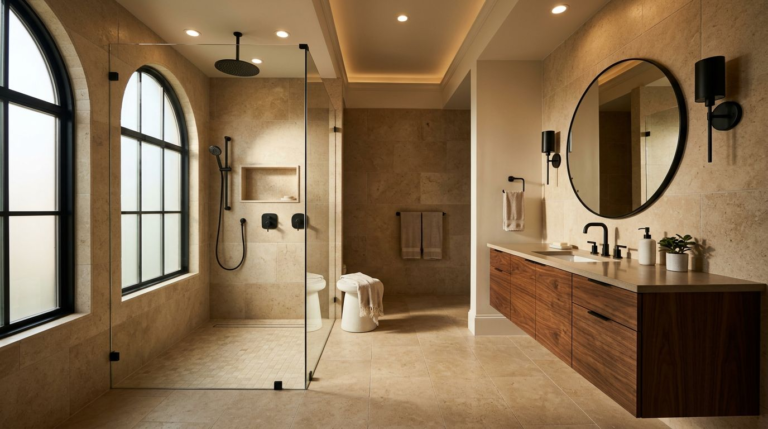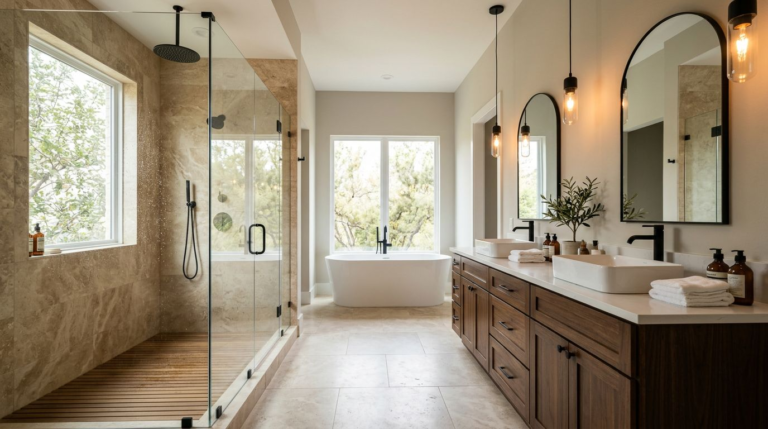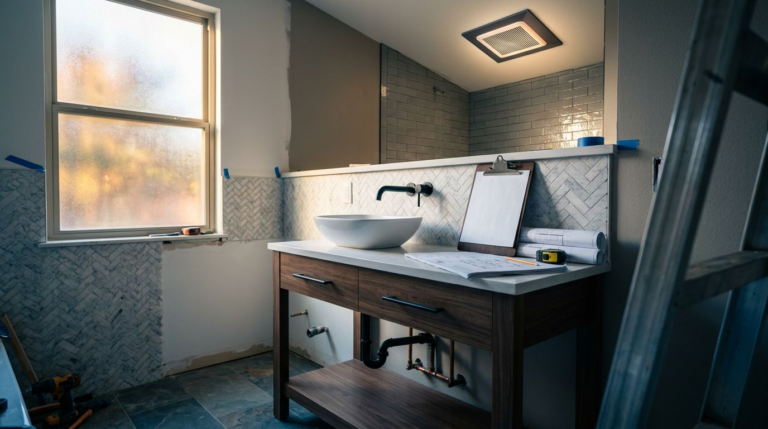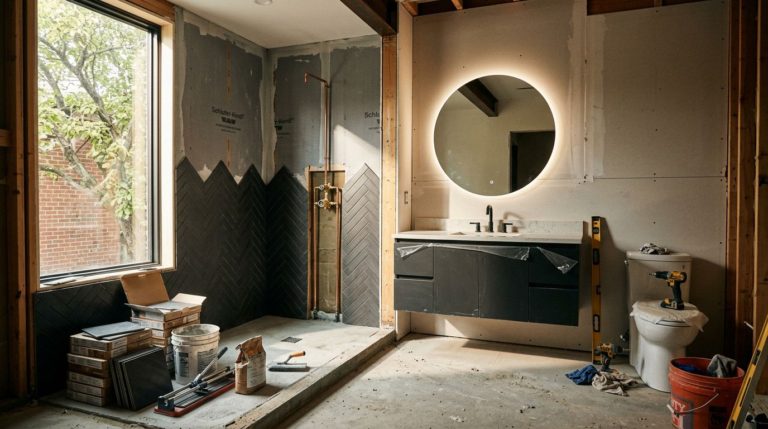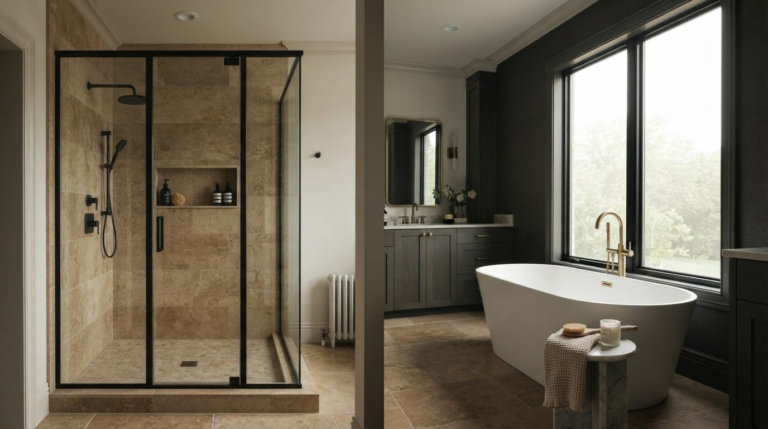

bathroom remodel checklist
A bathroom remodel can feel simple until the first planning meeting. Then you realize how many small choices add up, like tiles, valves, lighting, and even where the fan vents. In Denton, TX, those choices matter even more because many homes are 10 to 40 years old, and the bathroom behind the walls may not match what you see on the surface.
This bathroom remodel checklist is built for the meeting that sets your project up for success. You’ll know what to bring, what decisions to make on the spot, and how to reduce change orders that can blow up your budget and extend the schedule.
If you want a quick overview of what full-service work can include locally before you walk into the meeting, review https://jbnbathroomremodeling.com/bathroom-remodeling-in-denton-tx/.
What your Denton bathroom planning meeting should accomplish (in plain terms)
A good planning meeting is not a design daydream. It’s where you lock in the basics that control cost, timeline, and stress.
You should leave the meeting with:
- A clear project scope (what’s included, what’s not)
- A layout direction (keep plumbing where it is, or move it)
- A finish plan that matches your budget
- A realistic schedule that accounts for ordering and inspections
- A written process for changes, approvals, and payments
Think of it like a flight plan. You can adjust later, but big changes mid-air cost more and cause delays.
What to bring to your bathroom remodel planning meeting (so you don’t “guess” in real time)
When you show up with the right info, you avoid the most common trigger for change orders: decisions made without measurements, product details, or constraints.
Here’s a practical checklist you can use.
| Bring to the meeting | Why it matters | What it prevents |
|---|---|---|
| Photos of the current bathroom (wide shots and close-ups) | Helps document issues you’ve gotten used to | Scope gaps, missed repairs |
| A rough “must-fix” list (leaks, bad ventilation, unsafe tub) | Keeps the plan focused on real problems | Upgrades that crowd out essentials |
| Inspiration images (3 to 6 max) | Shows style direction without overwhelming the process | “That’s not what I meant” revisions |
| Measurements you already know (room size, doorway width) | Speeds up layout talk | Layout changes after ordering |
| Notes on who uses the bathroom and how | Drives storage, lighting, and safety choices | Rework after you move in |
| Your target budget range (not a single number) | Lets the contractor steer selections responsibly | Late downgrades, surprise costs |
| HOA rules (if you have them) | Some townhome HOAs restrict exterior venting changes | Last-minute compliance issues |
| A list of existing problems (slow drain, mildew smell, cracked tile) | Flags hidden risks early | “We didn’t know” change orders |
One Denton-specific tip: if your home is older, bring any notes you have about prior plumbing work. Cast iron drains, older shutoffs, and patched slab penetrations can change the plan quickly once demolition starts.
What you should decide during the meeting (or within 48 hours)
Many change orders are not caused by hidden damage. They come from late decisions. If you decide these items early, you keep your project moving and protect your budget.
1) Keep the layout, or move plumbing?
In many Denton homes, moving plumbing can be a major cost driver, especially on slab foundations. Relocating a toilet or shower drain is not just “a quick shift,” it can mean concrete work, extra labor, and more inspection steps.
If your goal is a cleaner look and better function, you might get most of the benefit by keeping the main plumbing locations and upgrading what’s in front of the wall.
2) Shower system details (the part people forget)
A common meeting mistake is choosing a shower trim you like, but not deciding what’s behind it. Valve type, diverters, hand shower placement, niches, bench, and glass style all affect rough-in work. If rough-in is done and you change the plan later, that’s a classic change order.
3) Tile scope and transitions
Be clear about where tile stops, and what happens at edges. Full-height shower tile, wainscot, accent bands, and floor transitions into the hall should be decided early. Small choices here affect waterproofing details and labor time.
4) Ventilation plan (important in North Texas humidity)
Bathrooms in Denton deal with humidity swings, and older bathrooms often have weak fans or poor duct runs. Decide whether you’re replacing the fan, changing its location, and how it will vent. Better ventilation helps protect grout, paint, and framing over time.
5) Lighting and electrical upgrades
Decide if you want brighter vanity lighting, an upgraded mirror, added outlets, or a dedicated circuit for a bidet seat. Electrical changes often require coordination and inspections, so late requests can push the schedule.
Right when you’re ready to turn these choices into a clear plan, talk with an expert who can flag costs and conflicts early. Call 469-340-0843 to schedule a free bathroom remodel consultation in Denton, TX and get guidance on selections, layout, and budget before you commit.
Change orders explained (and why they’re so common in Denton bathrooms)
A change order is a written change to the original agreement, usually with a price and schedule adjustment. Some change orders are fair and unavoidable. Others are preventable.
In Denton homes, change orders often come from:
- Hidden water damage around tubs, showers, and toilet flanges
- Old or mismatched plumbing parts that fail when disturbed
- Ventilation problems discovered after opening the ceiling or wall
- Unclear scope, like “replace vanity” without stating if it includes tops, sinks, faucet, shutoffs, and backsplash
- Late product choices that force rework, like changing tile thickness or switching from framed to frameless glass
You can’t control everything behind the wall, but you can control how well the project is defined before work starts.
How to avoid change orders (without overcomplicating the project)
You don’t need a 40-page binder. You need a plan that removes guesswork.
Use a “scope sheet” that’s specific, not vague
Push past general descriptions. Instead of “new shower,” your scope should clarify waterproofing method, niche count, bench or no bench, glass style, showerhead type, and who supplies what.
A simple rule: if two reasonable people could interpret a line item differently, tighten it up.
Lock in your selections by a deadline
Ask for a selection schedule and commit to it. Tile, fixtures, lighting, and vanity choices should be final before ordering or rough-in when possible. When you change finishes late, it can create a chain reaction, including different trim depths, different tile cuts, and extra labor.
Be realistic about allowances
If your plan uses allowances (set dollar amounts for items not chosen yet), make sure they match your taste. If you love boutique tile and premium fixtures, low allowances almost guarantee change orders later.
Plan for one “unknowns” buffer, then stop
Older bathrooms can hide problems. It’s smart to hold a contingency. It’s not smart to treat your contingency as a shopping fund for upgrades you didn’t plan. Decide ahead of time what the buffer is for (repairs) and what upgrades require a separate go-ahead.
Put your approval process in writing
Agree on how changes get approved, who can approve them, and how quickly you’ll respond. Delays often happen because a decision sits for days while trades wait.
If you want a clear plan that reduces surprises, your best move is to get the scope and selections organized before demolition begins. Schedule a planning appointment and request a written scope review through https://jbnbathroomremodeling.com/bathroom-remodeling-denton-tx/ so you can spot gaps that often turn into change orders.
After the meeting: the 48-hour follow-up that saves you money
Within two days, send a short confirmation message that lists:
- What’s included in the scope
- Your chosen layout direction
- Your top few must-haves (and what you’re willing to skip)
- Any products you’re supplying yourself (if any)
- Your decision deadlines
This is where small misunderstandings get corrected while they’re still cheap to fix.
Conclusion: walk into the meeting prepared, walk out with fewer surprises
A bathroom remodel planning meeting goes well when you treat it like a decision session, not a casual chat. Bring the right info, lock in key choices early, and insist on clear scope language so you don’t pay for avoidable change orders later. That’s how you protect your budget, your timeline, and your patience.
When you’re ready to move from ideas to a firm plan, call 469-340-0843 today to book your Denton, TX bathroom remodel consultation and get a checklist-based plan that keeps changes under control.