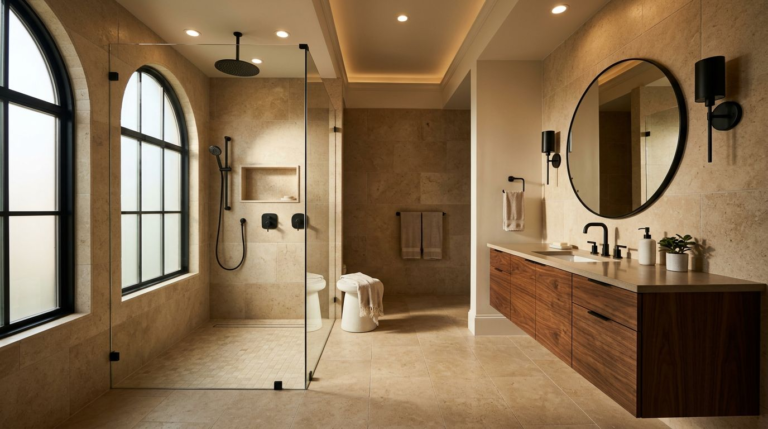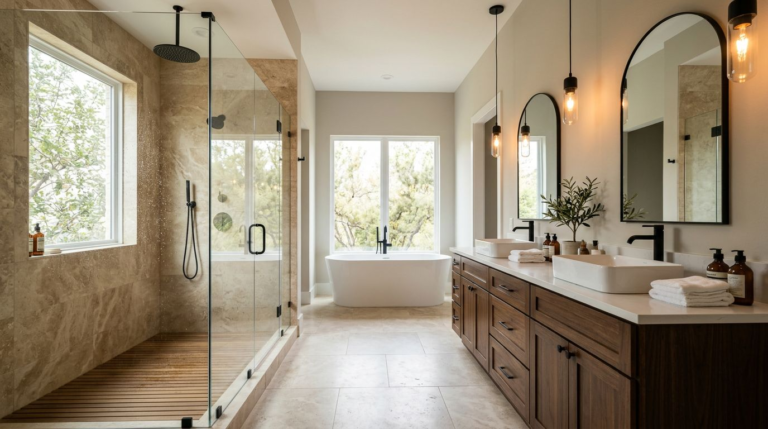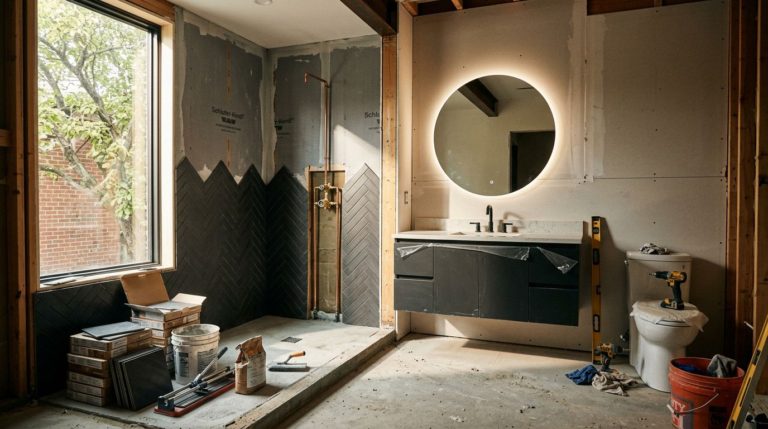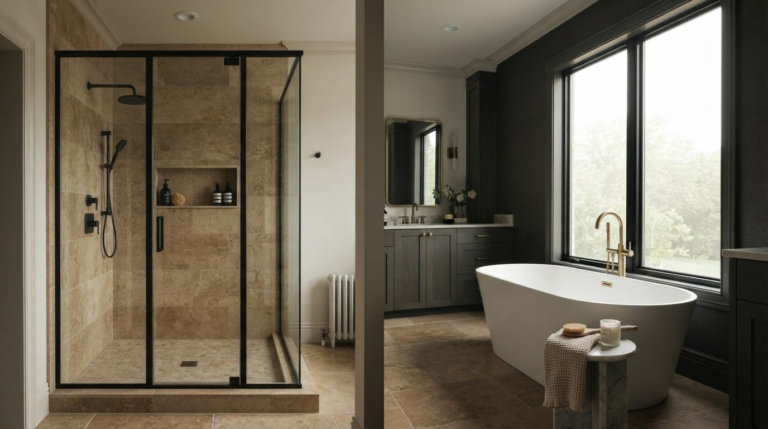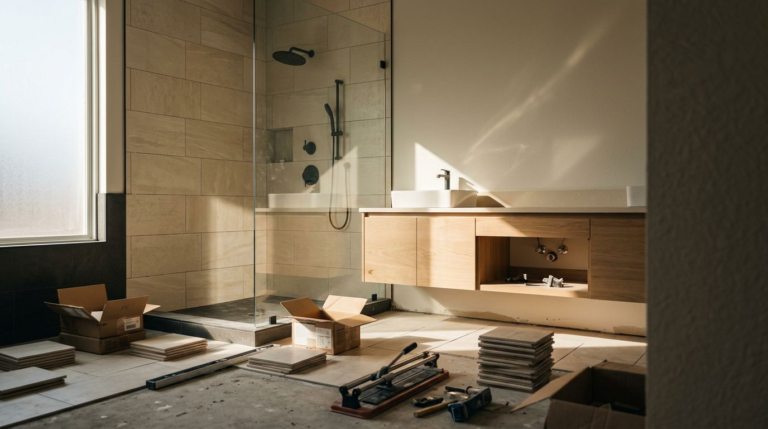
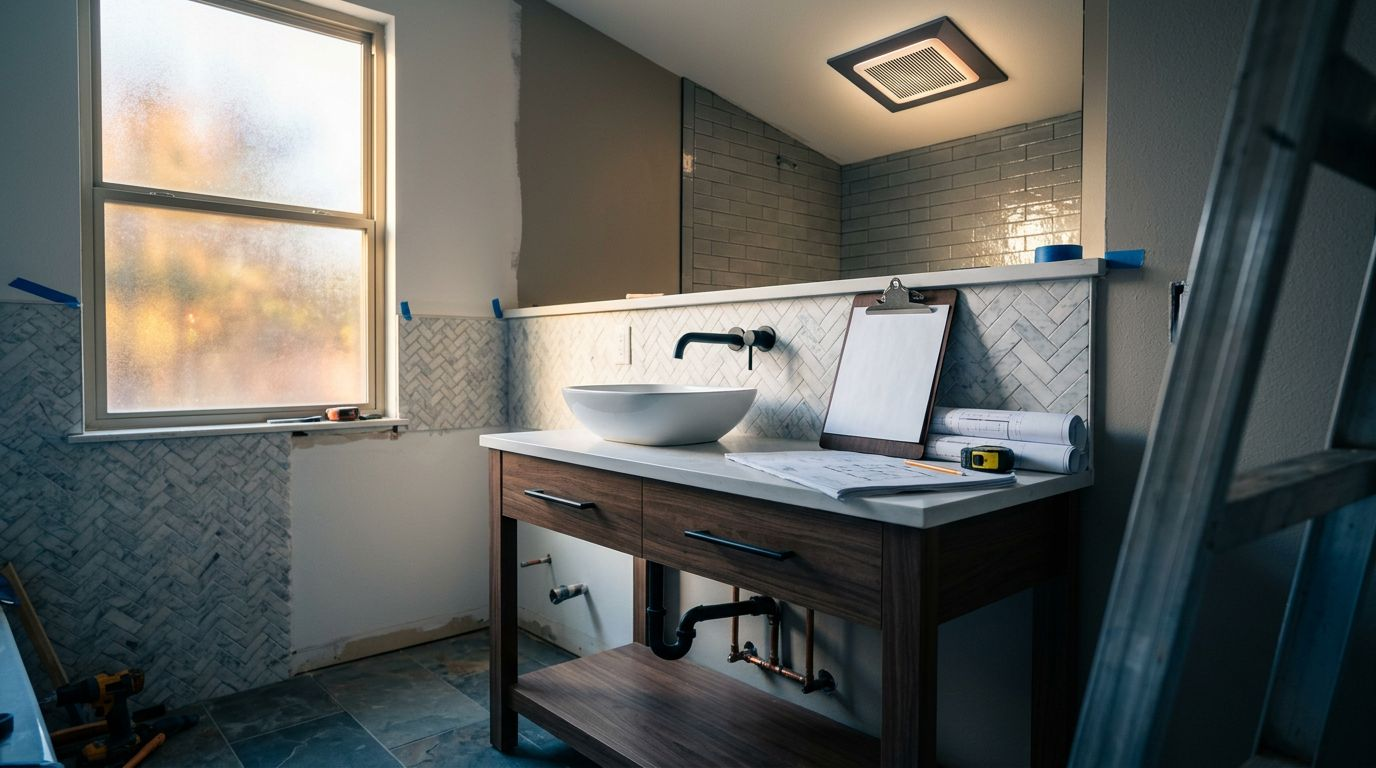
Bathroom work can look small, but a new drain, wall, or exhaust fan can turn a simple update into permitted construction. Before you start bathroom remodeling, learn how Denton County bathroom permits apply to your address, project scope, and contractor.
If you live in Denton County, the rules may come from your city, the county, or both. That matters in Denton, Argyle, Corinth, Flower Mound, Highland Village, Lewisville, and rural areas outside city limits. A permit can add planning time, but it also creates an inspection record for your investment.
The safest first step is to identify your jurisdiction and separate cosmetic changes from work that affects plumbing, electrical systems, ventilation, or structure.
When do Denton County bathroom permits apply?
Your home’s address decides which permitting office has authority. A property inside Denton city limits follows City of Denton requirements. A home in Argyle, Lantana, or Double Oak may follow that municipality’s rules instead. An unincorporated property may involve Denton County processes.
For homes inside Denton, start with the City of Denton’s residential permit guidance. The city states that residential permits applied for after June 1, 2022, must meet the 2021 International Building Codes.
Denton County’s development permit process is separate from a city building permit. County requirements may apply to site development, new structures, property access, or septic-related work. An interior bathroom remodel usually begins with the city or town that has jurisdiction over your property, but you should confirm before work starts.
Your contractor should verify the address, permit type, and inspection requirements before demolition. If you’re searching for a bathroom remodel near me, don’t assume a contractor’s location tells you which rules apply. Your property’s jurisdiction controls the answer.
Cosmetic updates may not need a permit
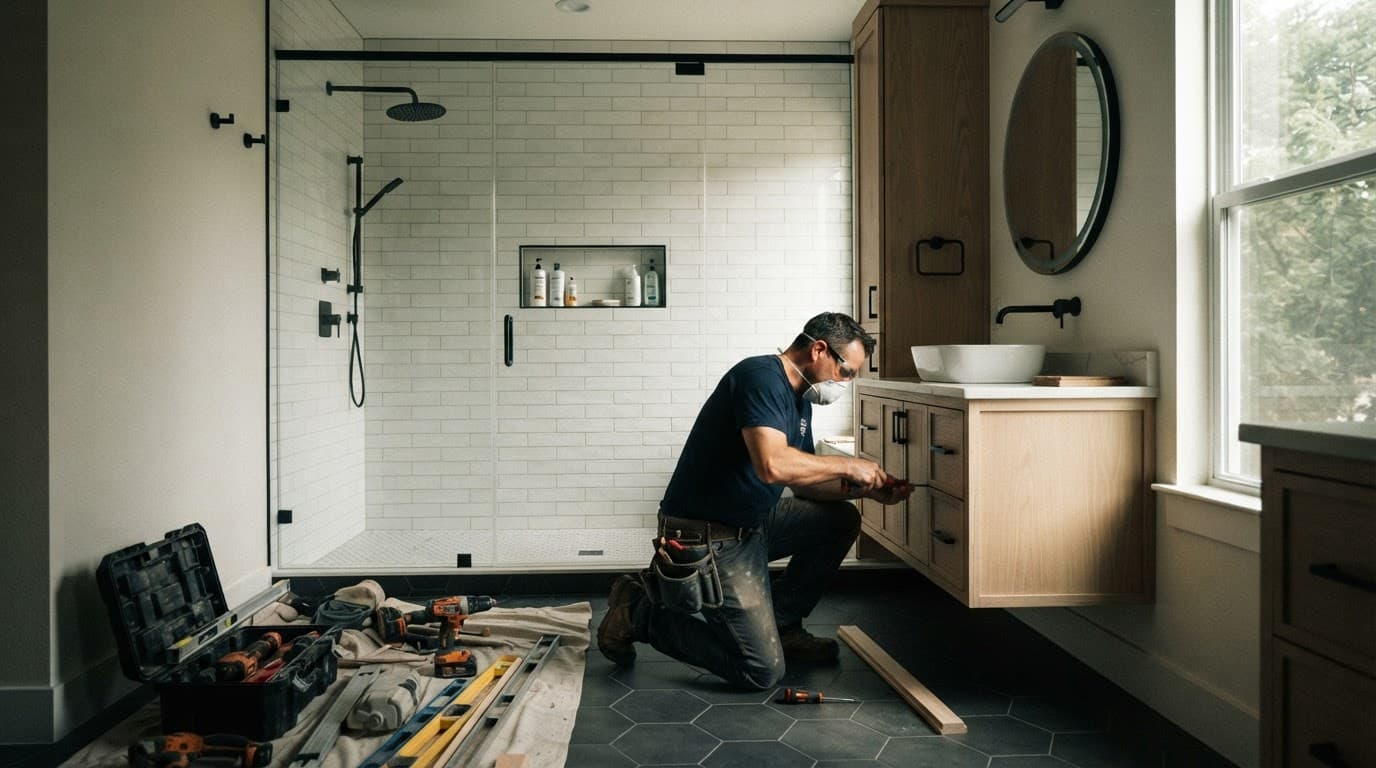
Paint, mirrors, towel bars, and other surface changes often don’t require a building permit when they don’t affect a building system. Replacing tile or a vanity may also fall into that category if the plumbing, wiring, framing, and waterproofing remain unchanged.
However, the condition behind the finished surface can change the answer. Rot, mold, damaged framing, or failed waterproofing may require corrective work. A new vanity can also require a permit if you move supply lines, install new electrical connections, or change the wall.
Permit rules can vary by city. Ask the permitting office or your bathroom contractor before relying on a general rule.
Which bathroom remodeling projects usually need a permit?
The scope of work matters more than the name of the product. A project that changes a bathroom’s layout or building systems usually deserves a permit review.
You should expect a permit when your project includes:
- Moving a toilet, sink, shower, or tub to a new location.
- Changing drain lines, water supply lines, or the main plumbing layout.
- Adding outlets, new lighting, heated flooring, or other electrical work.
- Installing or relocating a bathroom exhaust fan or changing its duct route.
- Removing or building walls, changing framing, or altering structural components.
- Creating a new bathroom or expanding the room into another area of the home.
A walk-in shower installation may need a permit when it changes the drain, valve, wiring, framing, or ventilation. The same applies to a tub to shower conversion. A bathtub replacement that uses the same connections may be simpler, but the existing plumbing still needs inspection if you alter it.
The finish materials don’t decide the permit by themselves. Bathroom flooring, a custom bathroom vanity, and bathroom tile installation may be cosmetic when the room’s systems stay in place. A tile shower installation requires greater care because the work may expose framing, change waterproofing, or involve a new drain and shower valve.
A contractor should write the scope clearly. “Replace shower” is vague. “Remove tub, relocate drain, install shower valve, add dedicated lighting, and vent outdoors” gives you and the permit office a much clearer picture.
How does the Denton bathroom permit process work?
A professional bathroom remodeling contractor should handle the permit details as part of the project plan. You should still understand each stage so you know what to expect.
- Confirm the jurisdiction and scope.
The contractor identifies whether the city or county has authority. Then you decide which walls, fixtures, plumbing lines, electrical components, and ventilation systems will change. - Prepare the submittal.
A basic bathroom remodel may need a floor plan showing fixtures, doors, walls, outlets, lights, plumbing changes, and exhaust routes. Structural changes may require additional drawings. Denton’s Residential Additions or Alterations page explains that mechanical, plumbing, and electrical work connected to an alteration can be included under that permit. - Pay the permit and plan review fees.
As of August 2026, Denton’s posted fee schedule lists a single-family residential alteration permit at $0.25 per square foot, with a $50 minimum, plus a $50 plan review fee. Fees and requirements can change, so verify the current amount before filing. - Complete rough inspections before closing the walls.
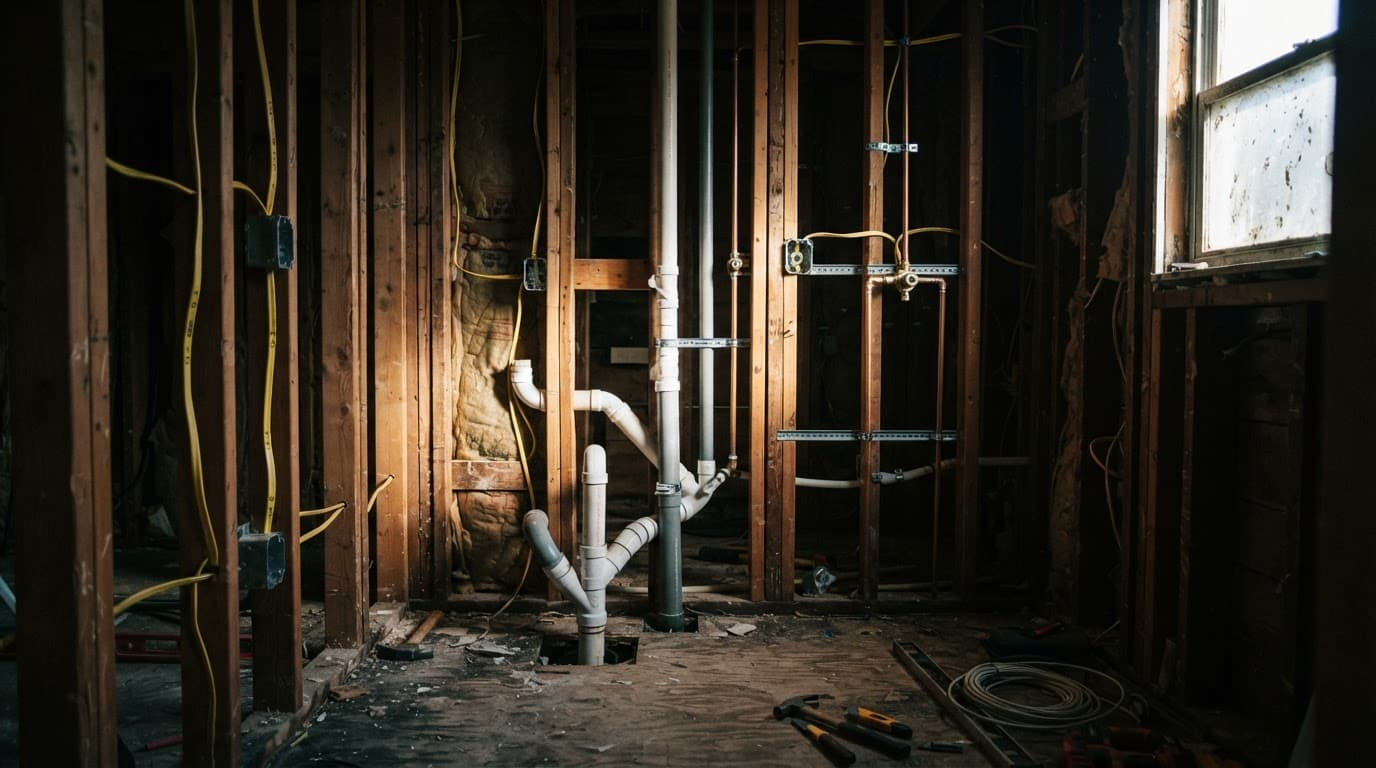
Inspectors may review plumbing, electrical, mechanical, or structural work while the pipes, wiring, and framing remain visible. Your contractor must schedule the required inspections through Denton’s eTRAKiT Inspection Request Portal. - Pass the final inspection and keep the record.
After the fixtures, finishes, safety devices, and ventilation are complete, the city performs the final inspection. Denton does not issue a new Certificate of Occupancy for a completed residential alteration. Instead, you can print the Final Inspection Report from eTRAKiT.
Don’t allow drywall, tile, or shower panels to cover work that still needs inspection. If an inspector can’t see the rough-in, you may face delays and removal costs.
The permit is only part of the record. Keep the approved scope, inspection results, product information, and contractor invoices with your home documents.
What North Texas homes need beyond the permit
Denton County’s heat and humidity make bathroom ventilation more than a comfort feature. When a bathroom relies on mechanical ventilation instead of a window, the exhaust generally must discharge outdoors. It shouldn’t dump warm, damp air into an attic or wall cavity.
Denton’s requirements also include a limited provision for smaller toilet rooms with only a water closet, lavatory, or both. Those rooms may qualify for an approved recirculating fan designed to remove odors. Your contractor should identify which ventilation rule applies to your room instead of treating every fan installation the same way.
Many North Texas homes use slab-on-grade construction. Moving a shower or toilet can require concrete work, drain rerouting, and careful coordination with the existing plumbing. That decision affects cost, schedule, and the permit drawings, so make it during bathroom design, not after demolition.
Humidity also makes waterproofing, grout, caulk, and exhaust quality important. Choose materials that can handle frequent moisture, and ask who will waterproof the shower walls and floor. Proper installation supports long-term comfort and helps protect resale value.
JBN provides North Texas bathroom remodeling for homeowners in Denton and nearby communities, including Bartonville, Copper Canyon, Trophy Club, Southlake, and Colleyville. If you need bathroom remodeling Denton TX or bathroom renovation Denton TX, the address and project scope still determine the permit plan.
How can you avoid common permit mistakes?
Homeowners often run into trouble before the first inspection. These mistakes are avoidable when you discuss them during the estimate:
- Assuming a county permit covers work inside a city. Confirm the correct office for your property.
- Signing a contract without stating who applies for the permit and schedules inspections.
- Treating a new shower as a finish-only project when the drain or valve will move.
- Installing a fan that recirculates air when the room requires outdoor exhaust.
- Covering rough plumbing or wiring before the inspector arrives.
- Skipping the final inspection because the bathroom appears complete.
- Choosing the lowest bid without comparing waterproofing, permit work, materials, and cleanup.
Ask your contractor for the permit number when one is required. You should also receive confirmation that each required inspection passed. Unpermitted work can create questions during a future sale, appraisal, insurance review, or repair.
JBN Bathroom Remodeling is a local North Texas company serving homeowners since 1996. The team handles full and small bathroom remodels, accessible showers, flooring, lighting, storage, countertops, and fixture installation. You can learn more about JBN’s local company background before choosing a contractor.
A good contractor will also help you plan practical bathroom upgrades, such as grab bars with proper blocking, comfort-height toilets, efficient fixtures, brighter task lighting, and storage that fits your daily routine. Those decisions improve the room without forcing unnecessary layout changes.
Plan your bathroom remodel before demolition
Denton County bathroom permits depend on three facts: where your home is located, what you plan to change, and which building systems the work affects. Cosmetic updates may need little or no permitting, while plumbing, electrical, ventilation, framing, and layout changes usually require a closer review.
Start with a written scope and confirm the jurisdiction before materials arrive. Then choose a bathroom remodeling contractor who will coordinate plans, permits, rough inspections, final approval, and professional installation.
For help planning your project, View Our Bathroom Remodeling Services or Request Your Free Bathroom Remodeling Estimate. When you want to discuss your home’s needs directly, Call JBN Bathroom Remodeling Today. A properly permitted bathroom remodel gives you a better record, a safer installation, and fewer surprises after the walls close.