Should I Hire a Contractor or DIY My Bathroom Remodel? A Homeowner’s Guide
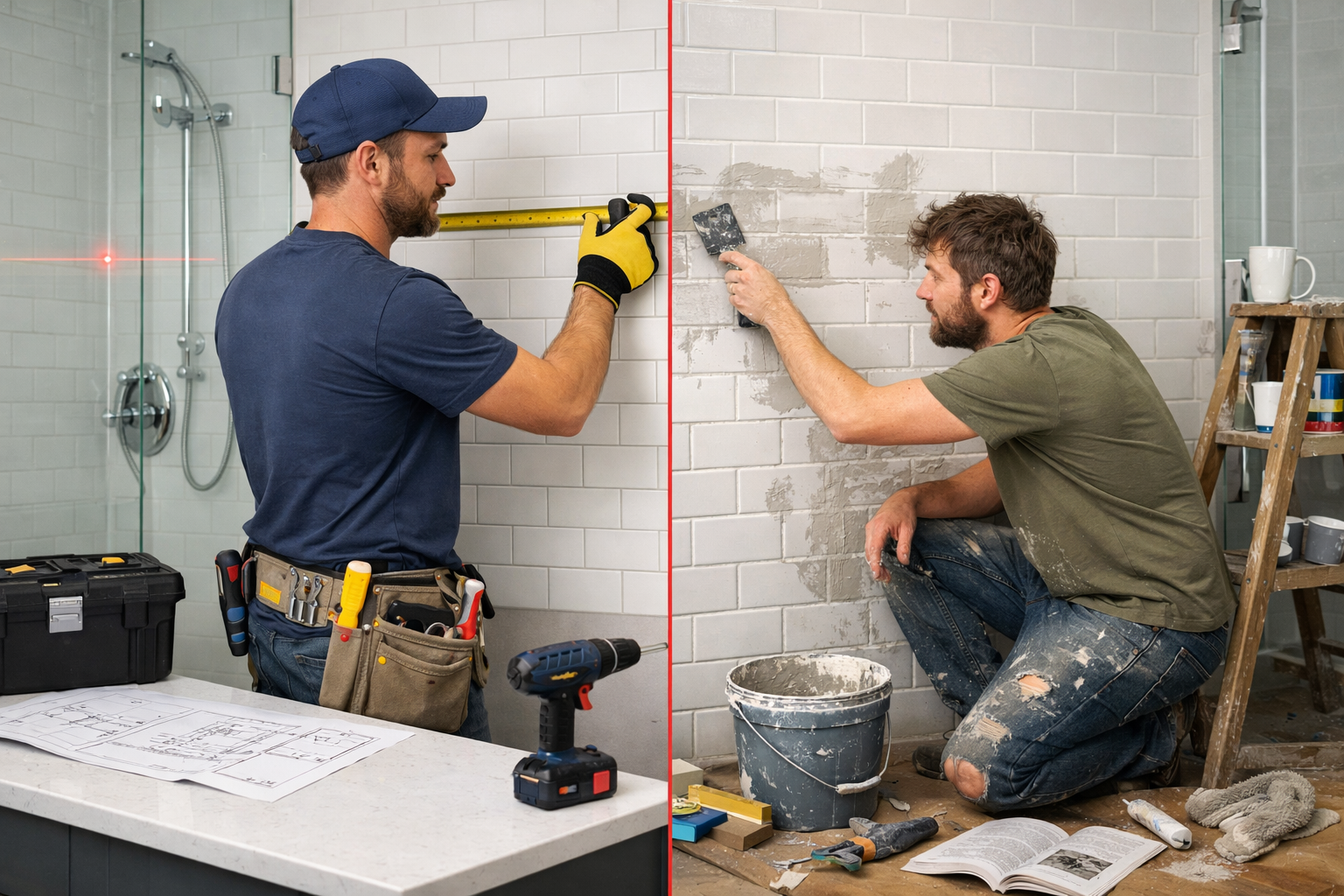
Bathroom remodels are among the most popular home improvement projects—and among the most deceptively complex. While TV shows and online tutorials make renovations seem like weekend activities, bathrooms involve structural elements, plumbing, electrical systems, waterproofing, and strict building codes.
This brings many homeowners to the same big question: Should I hire a contractor, or should I DIY my bathroom remodel?
The answer depends on the scope of your project, your experience level, your timeline, and how comfortable you are taking on risk. This guide walks you through each factor, helping you make a confident decision that protects your home, your budget, and your sanity.
Understanding the Scope of Your Bathroom Remodel
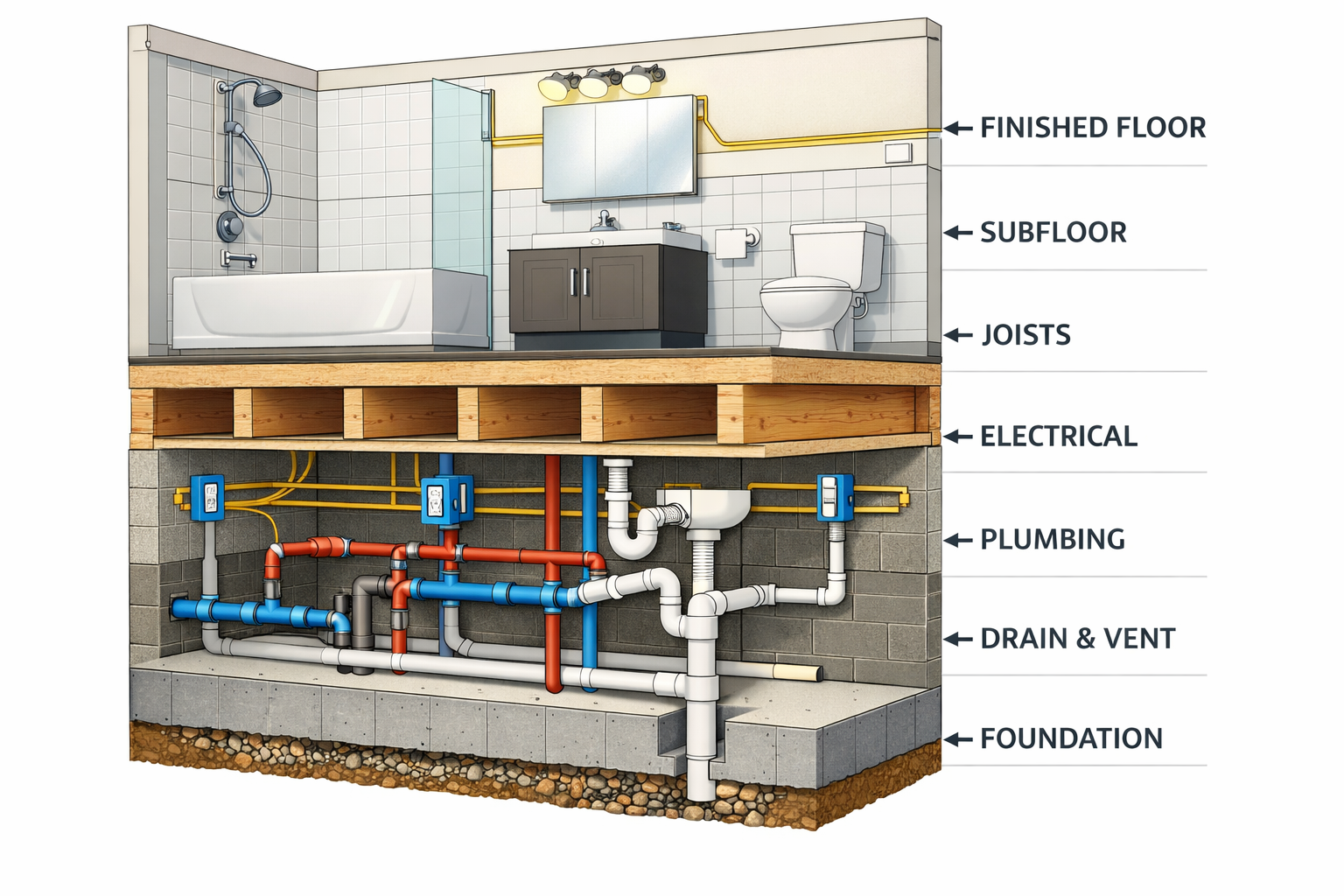
Before you decide between DIY and hiring a contractor, you need to understand the true scope of your remodel. Not all bathroom projects are created equal, and the difference between a cosmetic makeover and a full renovation can mean the difference between a simple DIY and a job that absolutely requires a licensed professional.
Cosmetic vs. Structural: What’s the Difference?
A cosmetic remodel focuses on surface-level updates such as paint, décor, and hardware. A structural remodel affects the systems and the physical layout of the room.
Ask yourself these key questions:
- Are you moving or adding plumbing fixtures?
- Does electrical wiring need to be updated or relocated?
- Will you replace the shower, tub, or vanity with a different size or location?
- Is there any work behind the walls or under the flooring?
If you answered yes to any of these, your project leans toward the structural category—and DIY becomes more complicated.
How Complexity Affects Risk
Bathrooms are small rooms with high density of utilities. Plumbing errors can cause water damage; electrical mistakes can be dangerous; and improper waterproofing can lead to mold, rot, and expensive repairs later.
“A bathroom remodel is one of the highest-risk DIY projects because a single mistake can quietly cause thousands of dollars in damage.”
Understanding these risks early gives you a clearer picture of what tasks you can safely handle and what should be left to licensed professionals.
When DIY Bathroom Remodeling Makes Sense
Not every bathroom project requires a professional. In fact, many surface-level upgrades are perfect for DIY enthusiasts, especially if you enjoy hands-on work and want to save money on labor.
DIY-Friendly Tasks
- Painting walls or cabinets
- Replacing hardware such as towel bars, handles, and faucets
- Updating light fixtures (if wiring stays the same)
- Simple tile repairs or regrouting
- Installing peel-and-stick flooring
- Decorative updates like shelving, mirrors, and accessories
These projects generally do not affect plumbing, electrical systems, or structural components. They’re lower risk and allow room for learning and creativity.
Signs You’re Ready to DIY
- You already have basic tools such as a drill, level, and cutting tools.
- You’re comfortable following tutorials and troubleshooting as you go.
- You aren’t pressed for time—DIY often takes longer than hiring a pro.
- You’re confident making careful measurements and clean finishes.
If your remodel is primarily cosmetic and you have patience and basic tools, DIY can be economical and satisfying—often saving 30–60% on labor costs.
When You Should Hire a Professional Contractor
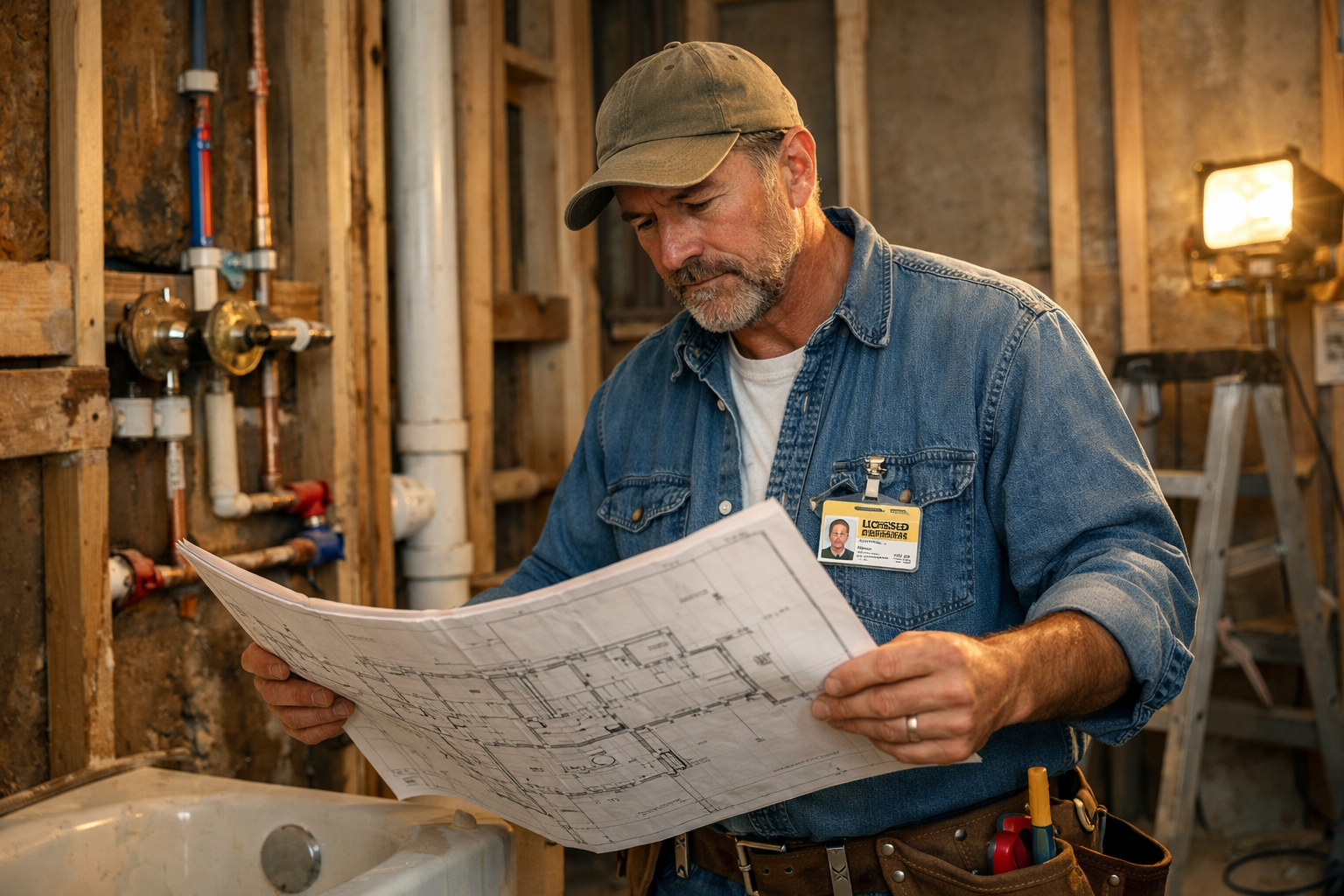
While DIY has its place, many bathroom remodels involve more complex work than homeowners initially expect. If your project goes beyond cosmetic updates, hiring a professional contractor can save time, stress, and costly errors.
Projects That Require a Professional
- Moving plumbing lines or adding new fixtures
- Running new electrical circuits, lighting, or outlets
- Installing or relocating a shower, tub, or toilet
- Rebuilding shower pans or waterproofing wet areas
- Reframing walls or altering layout
- Correcting mold, rot, or water damage
These tasks require expertise and usually must be performed or approved by a licensed professional to meet building codes and ensure safety.
Why Professional Work Pays Off
Bathroom remodels have some of the highest stakes in home improvement. A contractor brings:
- Code-compliant installation
- Quality craftsmanship and professional tools
- Efficient project management
- Warranties that protect you long-term
- Access to specialists for plumbing, electrical, and tile
Most importantly, a contractor reduces the risk of hidden issues—like leaks or improper ventilation—that could turn a small mistake into thousands of dollars in repairs.
Cost, Timeline, and Risk Comparison
The decision between DIY and hiring a contractor often comes down to three factors: money, time, and risk. Understanding how these compare will help you weigh your options realistically.
Cost Breakdown
DIY often appears cheaper upfront, since you avoid labor costs. But material waste, tool purchases, and errors can quickly narrow the price gap.
- DIY bathroom remodel: $1,500–$7,500 on average
- Professional remodel: $8,000–$30,000+ depending on scope
However, contractor pricing includes labor, warranties, expertise, and project coordination—elements many homeowners underestimate.
Timeline Expectations
- DIY timeline: Weeks to months (depending on availability and experience)
- Professional timeline: Typically 1–4 weeks for standard remodels
Most homeowners underestimate the time needed for DIY projects. If the bathroom you’re remodeling is your only one, delays can become especially inconvenient.
Risk Comparison
DIY runs the highest risk in areas involving waterproofing, plumbing, structural changes, and tile installation. A small mistake in any of these can trigger long-term damage.
Hiring a contractor reduces risk dramatically and provides warranties, accountability, and expert oversight—benefits that can offset higher upfront costs.
How to Decide What’s Best for Your Bathroom Remodel
If you’re still unsure whether to DIY or hire a contractor, evaluate your situation using this simple checklist.
DIY Might Be Right If…
- Your project is cosmetic.
- You have DIY experience with similar tasks.
- You’re comfortable with slow timelines.
- You’re working within a strict budget.
Hiring a Contractor Is Better If…
- There are plumbing, electrical, or structural changes.
- Your bathroom has signs of water damage or mold.
- You need a fast, efficient timeline.
- You want a high-end finish that increases home value.
Balancing Your Budget, Skill Level, and Goals
Most homeowners end up using a hybrid approach: DIY the small stuff and hire a pro for the technical work. This allows you to save money without compromising safety or quality.
For example, you might paint the room and install new mirrors yourself, but hire a contractor for the shower, waterproofing, plumbing, or tile.
Ready to Transform Your Bathroom?
If you’re planning a bathroom remodel and want expert advice on whether DIY or hiring a professional contractor is the right choice, it’s smart to talk with a specialist before making the first move.
Request your free consultation today:
Request Your Free Consultation
Or call 469-340-0843 to speak with a remodeling expert.