The Main Types of Accessible Showers: A Complete Homeowner’s Guide
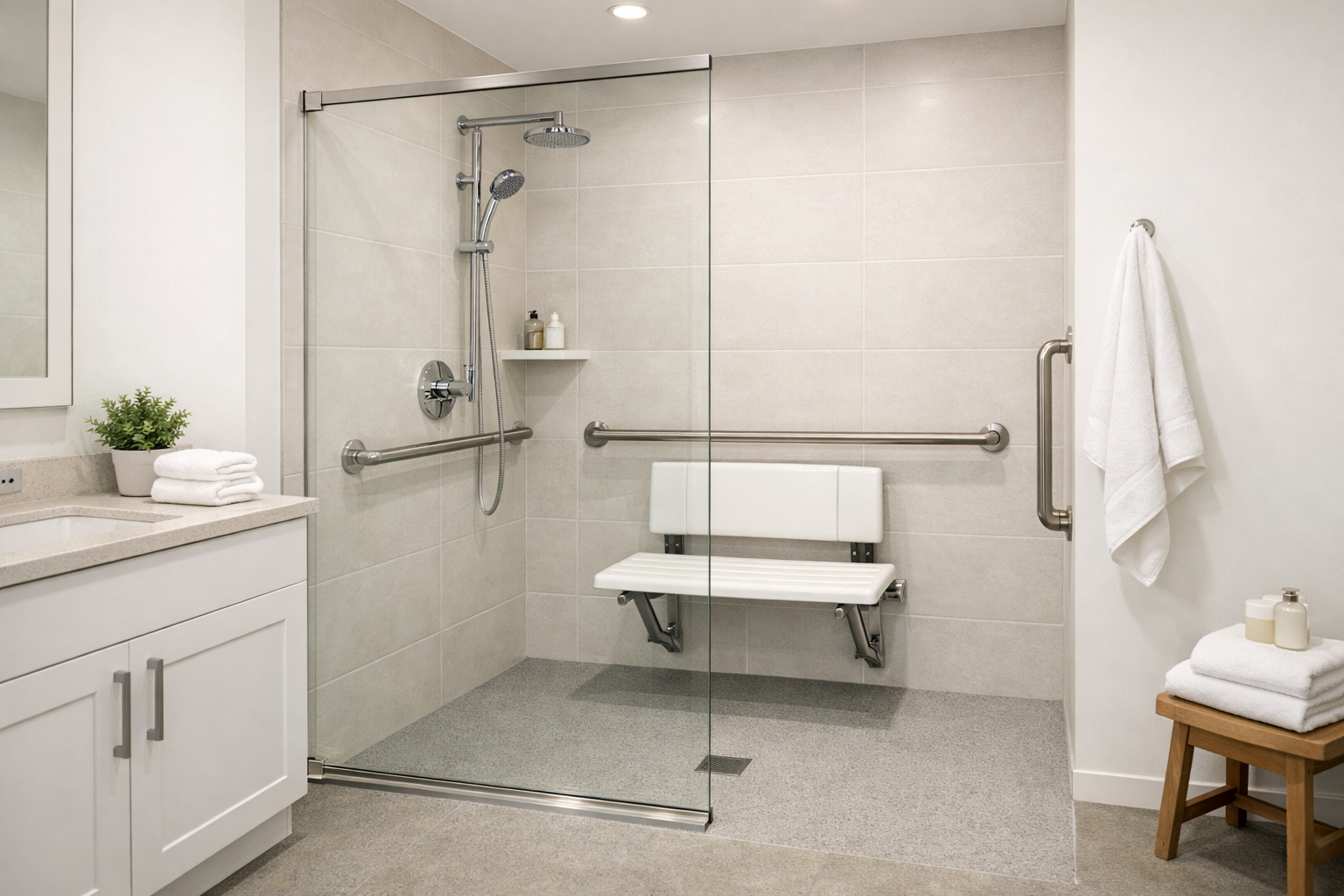
Accessible showers have become a cornerstone of safe, modern bathroom design—especially for homeowners looking to improve mobility, reduce fall risks, or plan for long-term aging in place. The right shower type can dramatically improve independence, comfort, and confidence while blending seamlessly with contemporary design trends. Whether you’re remodeling for yourself, a loved one, or simply planning ahead, understanding the main types of accessible showers is the first step to creating a safer, smarter home.
In this comprehensive guide, we’ll break down the most common accessible shower types, explain key features to look for, and share expert insights on how to choose the ideal solution for your home. From zero-entry showers to tub-to-shower conversions, each option offers unique benefits tailored to different mobility levels and lifestyle needs.
Understanding the Main Types of Accessible Showers
Accessible showers come in several forms, but all are designed with a shared mission: make bathing safer, more comfortable, and more convenient for people with limited mobility. As bathroom design evolves, accessibility features have become both more functional and more visually appealing, blending safety with contemporary aesthetics.
Below, you’ll discover the core categories of accessible showers commonly used in modern remodeling projects—along with expert insights into how they work, who they benefit most, and how to determine which is right for your space.
What Makes a Shower Accessible?
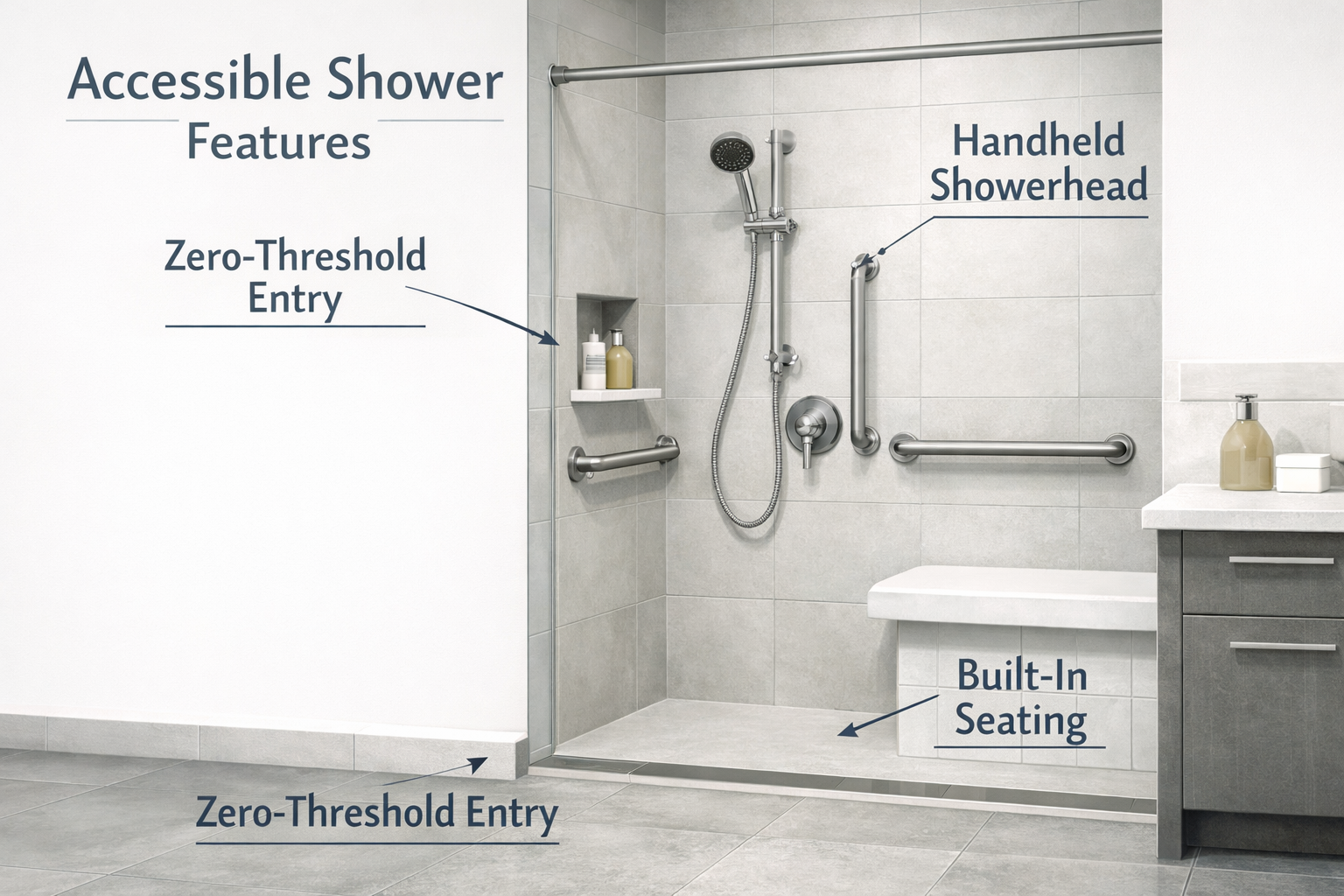
Before exploring the different types of accessible showers, it helps to understand the fundamental features that define accessibility. While layouts and styles vary, most accessible showers share a set of key design elements intended to reduce physical barriers and enhance user safety.
- Low or zero thresholds that make the shower easier to step or roll into
- Slip-resistant flooring that minimizes fall risks
- Grab bars to support balance and maneuvering
- Handheld showerheads for easier washing while standing or seated
- Built-in or fold-down seating for comfort and stability
Accessible showers are designed first and foremost for safety—but modern solutions make it easy to combine safety with style, creating a space that feels spa-like while remaining highly functional.
ADA-inspired features are not just for commercial spaces. Many homeowners choose to incorporate them in residential remodels to support aging in place or to accommodate household members with temporary or long-term mobility limitations.
Roll-In Showers
Roll-in showers are one of the most universally accessible shower types available. Designed with zero thresholds and wide, unobstructed entryways, these showers allow individuals using wheelchairs, walkers, or mobility scooters to enter safely and comfortably.
A roll-in shower typically includes:
- A completely flush entry with no step or lip
- Extra-wide dimensions to accommodate turning and transferring
- Sturdy, ADA-friendly grab bar placement
- Slip-resistant flooring to reduce the risk of falls
These showers are especially beneficial in homes where a wheelchair user requires full accessibility and independence in the bathroom. While they require slightly more space than standard showers, the trade-off is unmatched convenience and safety.
Key Takeaway
Roll-in showers offer the highest level of accessibility, making them ideal for wheelchair users or anyone needing a completely barrier-free bathing experience.
Walk-In Showers with Low Thresholds
Walk-in showers with low thresholds provide a happy middle ground between aesthetics and accessibility. Unlike tub-shower combinations that require stepping over a high wall, low-threshold showers offer a safer entrance with a curb typically measuring between 2–4 inches.
These showers are excellent for:
- Adults with mild to moderate mobility limitations
- Homeowners planning for aging in place
- Bathrooms where a zero-entry design is not structurally feasible
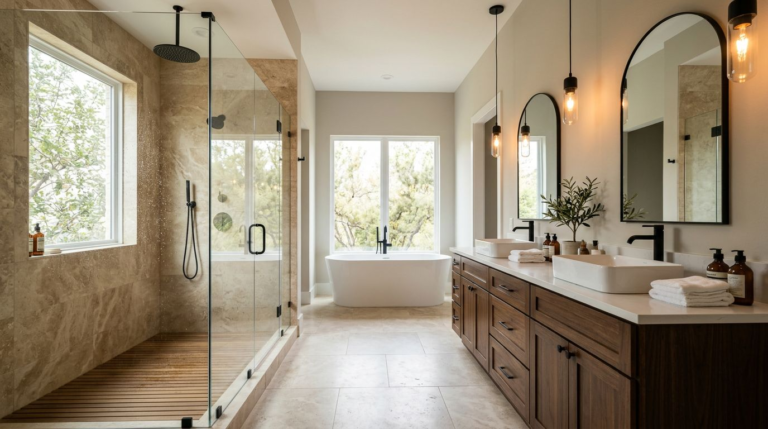
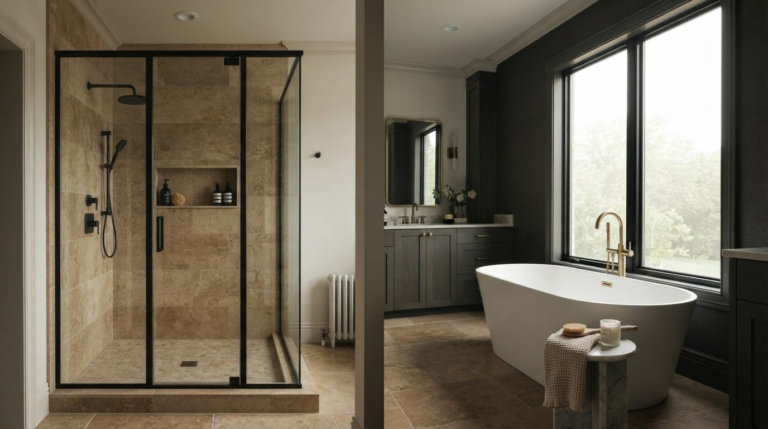
Low-threshold walk-in showers also pair beautifully with contemporary finishes such as frameless glass, stone tile, and recessed shelving, allowing you to maintain a sleek design while enhancing safety.
Curbless or Zero-Entry Showers
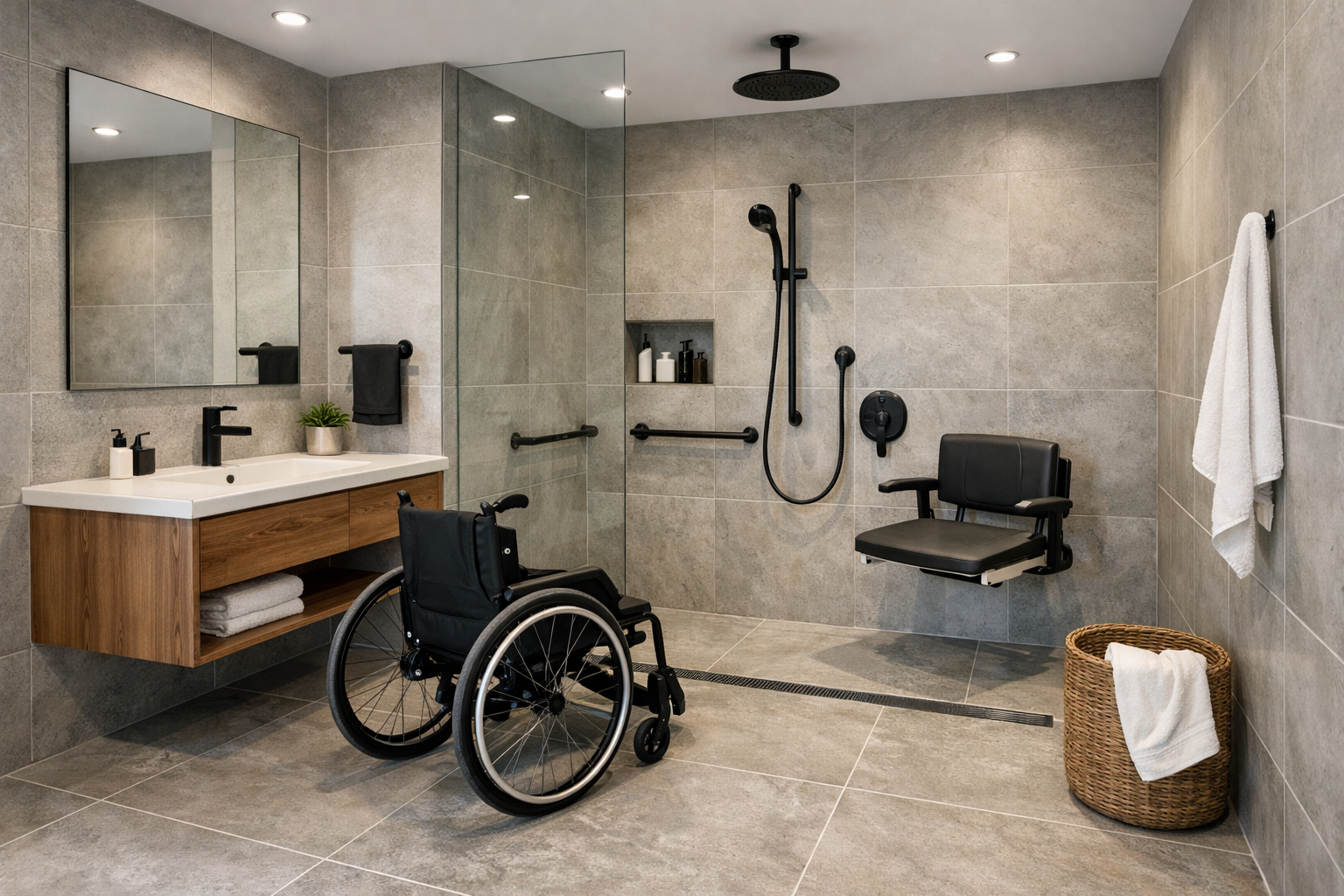
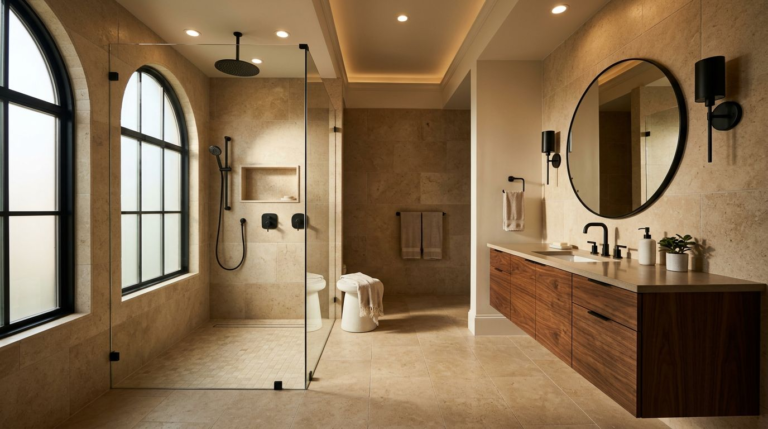
Curbless showers—also known as zero-entry or barrier-free showers—extend accessibility to a whole new level. These designs eliminate all separation between the bathroom floor and the shower, creating a smooth, seamless transition into the bathing area.
Curbless showers provide:
- Effortless entry for wheelchair users
- A wide-open, minimalist aesthetic valued in luxury remodels
- Superior safety due to complete barrier elimination
- Custom layout options for nearly any bathroom size
Because these showers rely on precise drainage—usually with a linear drain—they’re best installed by experienced remodelers who understand water flow and sloping requirements. When designed correctly, they’re both practical and visually stunning.
Tub-to-Shower Conversions for Accessibility
For many homeowners, the fastest way to improve safety is to convert an existing bathtub into an accessible walk-in shower. Tub-to-shower conversions are among the most popular home upgrades for seniors and families preparing for long-term mobility changes.
Advantages include:
- Removing the tall tub wall that poses a major fall risk
- Creating easier, more stable entry and exit
- Customizing features like grab bars, seating, and anti-slip flooring
- A cost-effective alternative to full bathroom remodeling
This option transforms a challenging bath setup into a safer, more functional space—without major structural changes.
Choosing the Right Accessible Shower for Your Needs
Selecting the right accessible shower depends on your mobility needs, your long-term goals, and your bathroom’s layout. A professional remodeler can help you evaluate structural limitations, floorplan options, and feature upgrades that best support your safety and comfort.
Consider the following when making your decision:
- Your current and future mobility level
- The available floor space in your bathroom
- Whether wheelchair-friendly access is required
- Your preferred design style and materials
- Your budget and remodeling timeline
When thoughtfully chosen, an accessible shower becomes more than a home upgrade—it becomes a long-term investment in independence, peace of mind, and everyday comfort.
Ready to Install a Safe, Accessible Shower?
Ready to Install a Safe, Accessible Shower?
Contact JBN Bathroom Remodeling to discuss your accessibility needs and explore custom shower solutions designed for safety, comfort, and long-term independence.
Contact JBN Bathroom Remodeling
Or call now: 469-340-0843