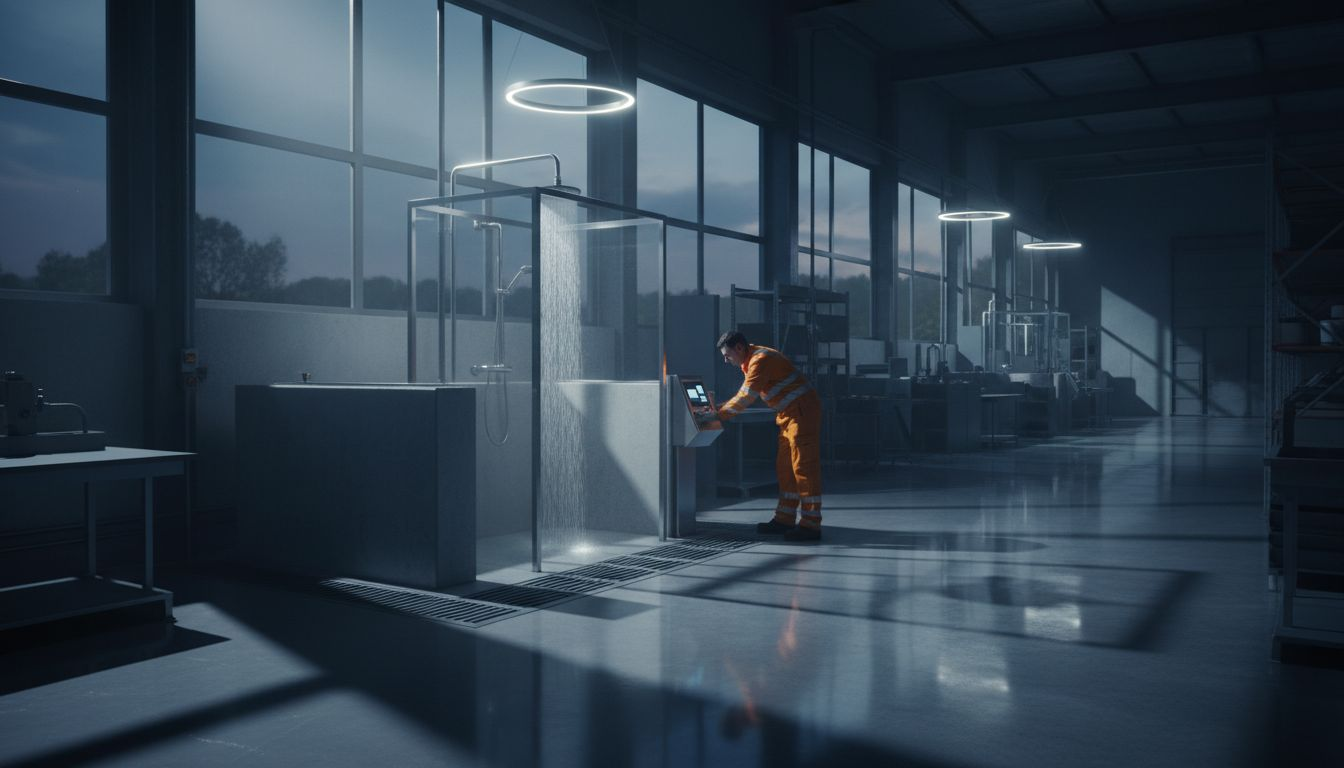
A safety shower has one job, work fast when seconds matter. If the unit is hard to reach, slow to activate, or surrounded by slick flooring, it can add risk instead of reducing it.
That is why safety shower conversions matter for properties in Ponder and Northlake. Whether you manage a plant, warehouse, shop, or support building, a smart retrofit can improve access, water delivery, drainage, and day-to-day upkeep.
If an older shower station feels like a weak link, schedule a site review before it turns into a bigger problem.
Why older safety shower setups create avoidable risk
Many existing shower stations were installed around an older layout. Since then, the work area may have changed. Shelving gets added, equipment moves, and floors wear down. Little by little, the path to the shower gets tighter and the station becomes harder to trust.
The biggest problems are usually easy to spot. A pull rod sticks. Water temperature swings too far. The approach feels cramped. The floor stays wet long after testing. In a real incident, those details matter. A safety shower should feel as simple as a seat belt, quick, direct, and dependable.
Older units also tend to hide small maintenance headaches. Mineral buildup slows valves. Painted floors lose grip. Rough drain patches hold standing water. None of those issues look dramatic during a walk-through, yet together they make an emergency rinse station feel unreliable.
A safety shower only helps when people can reach it fast, turn it on fast, and stand safely while it runs.
For Ponder and Northlake properties, conversions often focus on practical fixes, not cosmetic ones. That can mean reworking the approach, replacing worn components, improving floor drainage, or pairing the shower with eye and face wash equipment that is easier to use. Some sites also need better lighting and a cleaner separation from nearby hazards.
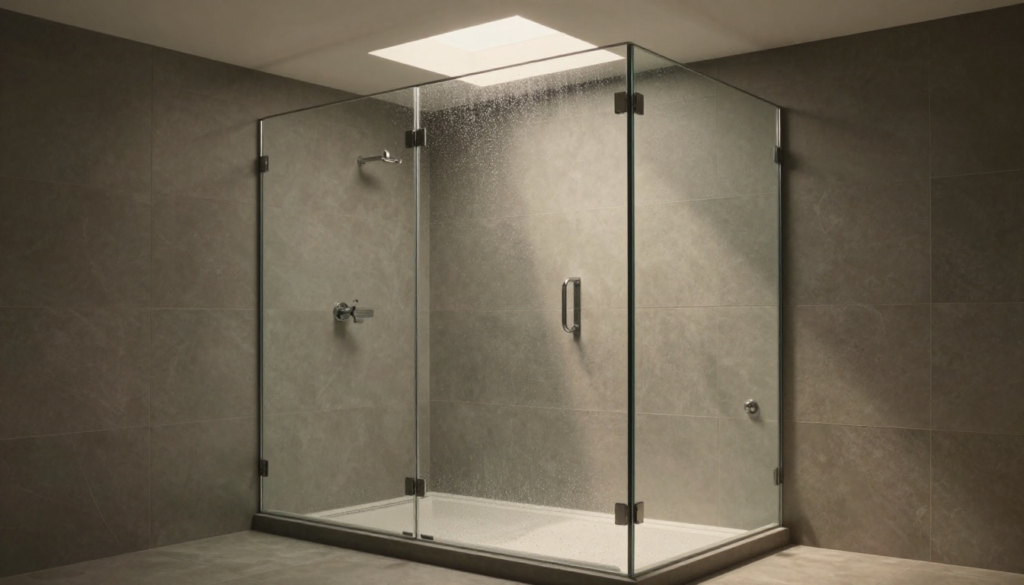
A good conversion starts with one plain question. Can an employee under stress get to this station without thinking twice? If the answer isn’t a quick yes, it’s time to request a quote and review your options.
What a better safety shower conversion should include
Strong safety shower conversions are built around use, not looks. The finish matters, but function comes first. The unit must activate easily, deliver the right flow, and give the user stable footing from the first second to the last.
Most upgrades focus on five basics:
- A clear approach with enough working space around the unit
- Activation hardware that moves smoothly with little effort
- Stable water delivery, including temperature control where needed
- Slip-resistant flooring with solid drainage planning
- Durable materials that handle moisture, cleaning, and repeat testing
The small parts matter as much as the big ones. A thermostatic mixing valve, proper drain slope, corrosion-resistant piping, and a well-placed eyewash can change how the whole station performs.
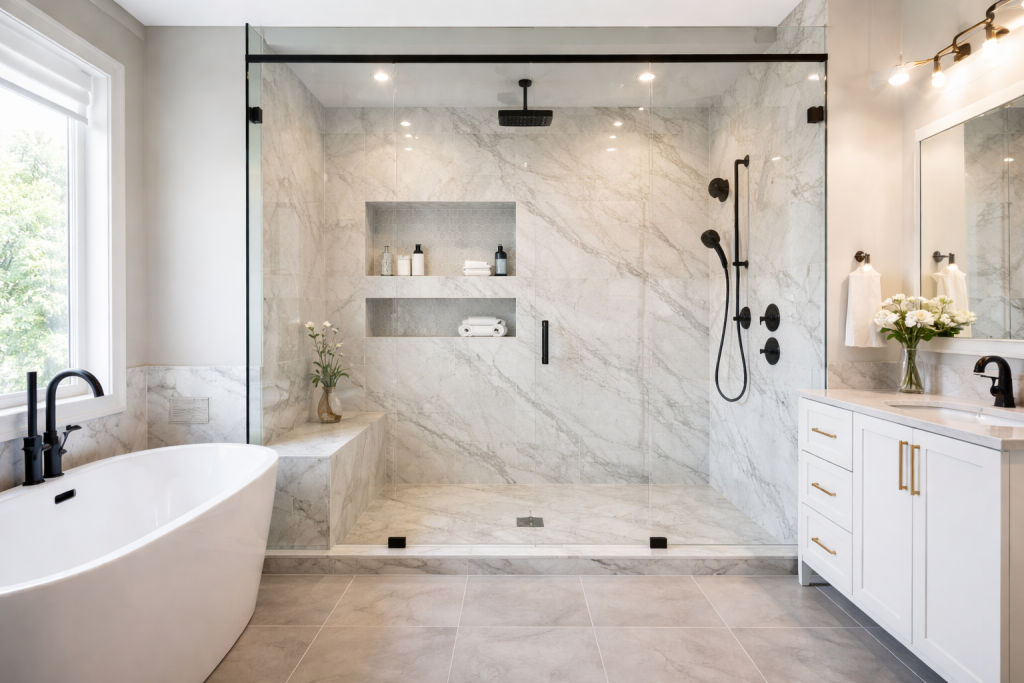
Not every project needs a full tear-out. Sometimes the right move is a focused retrofit with new activation hardware, tempering components, flooring, and drainage at the current location. Other times, the safer choice is relocation so the path stays open. The goal is to fit the room, not force the room around an outdated unit.
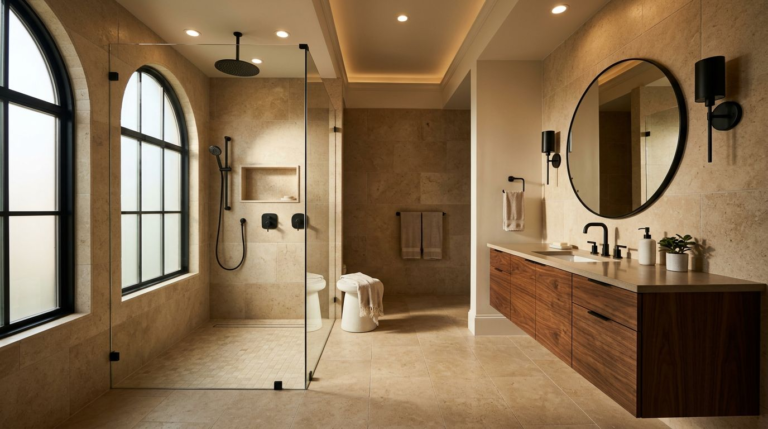
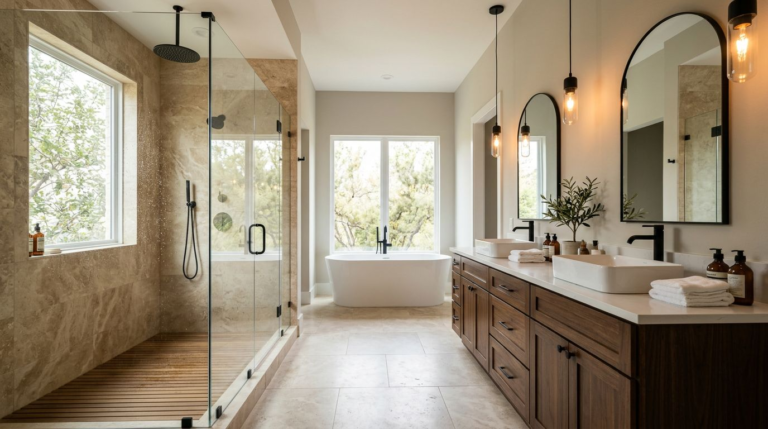
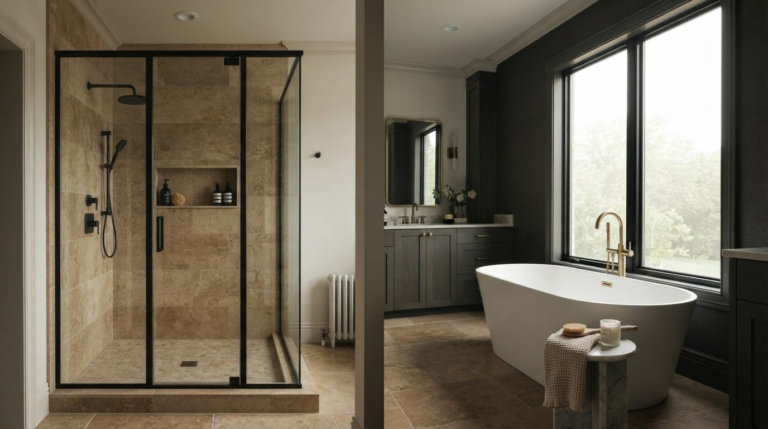
Flooring deserves extra attention because slips often happen after the shower is used, not before. If wet traction is part of your plan, this guide to slip-resistant shower tiles North Texas offers useful ideas for safer underfoot surfaces in wet areas.
A conversion should also match the rules that apply to your site. Your plumber, remodeler, or safety team should review access, flow, testing, drainage, and water temperature before work starts. If you want to compare layouts, fixture options, or floor upgrades, book a consultation while the project is still on paper.
How to retrofit with less downtime in Ponder and Northlake
No manager wants a long shutdown for a single safety upgrade. The good news is that well-planned safety shower conversions don’t have to drag on. Most delays come from weak coordination, not from the work itself.
Start with a field review. Measure the approach, ceiling height, water line location, drain path, and nearby obstructions. Then map the install around operations, testing schedules, and permit needs. When parts are selected early, crews avoid the stop-and-start pattern that burns time and money.
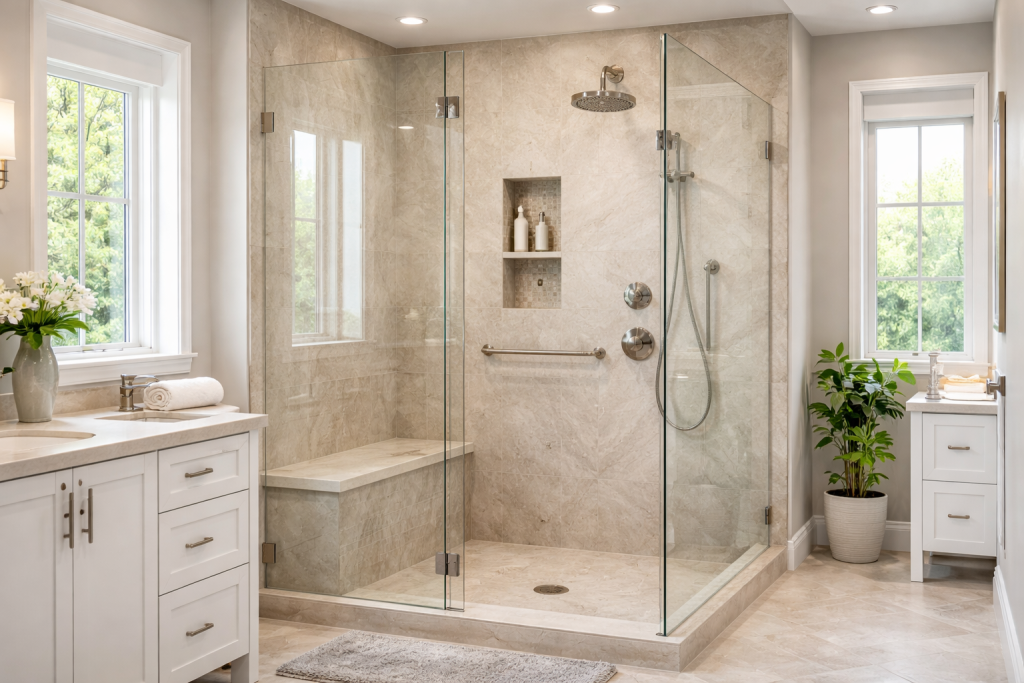
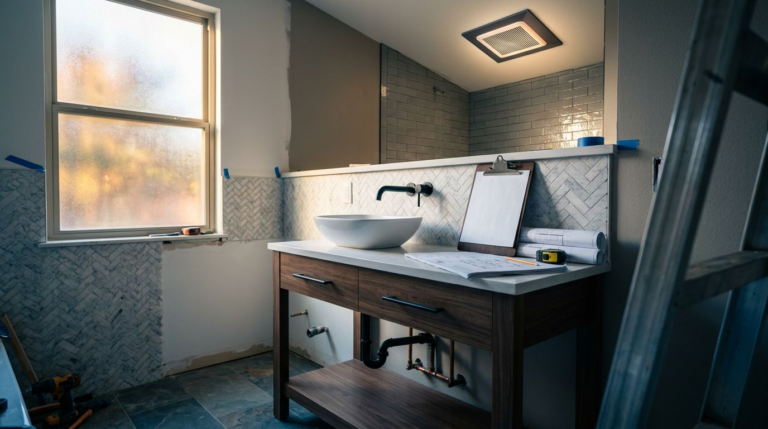
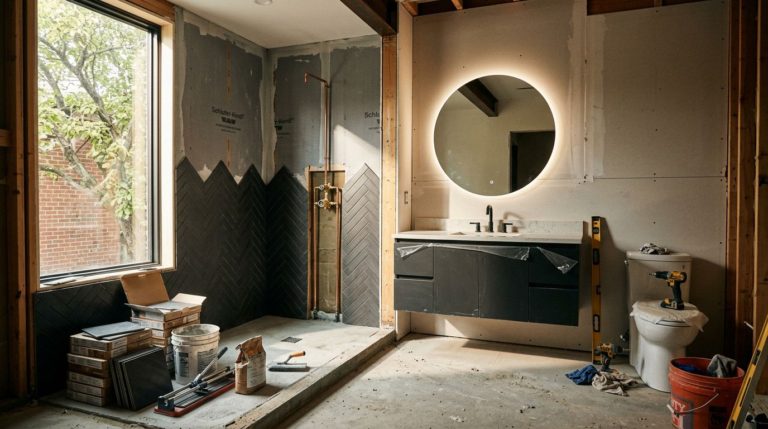
Many North Texas properties combine the shower upgrade with nearby restroom or wash area work. That can reduce repeat labor and simplify scheduling. For local wet-area renovation examples, see these Ponder TX bathroom remodeling experts and full bathroom remodels Northlake TX.
A practical retrofit plan usually follows four moves. First, inspect the existing station and document the gaps. Next, finalize the layout, components, and floor details. Then install and test the new setup. Finally, verify activation, drainage, and user access before sign-off.
After installation, run a real test with the people who use the area. Watch how quickly they find the pull rod, how the water hits, and whether runoff creates a slip zone nearby. That short drill often catches layout problems that drawings miss.
That last step matters most. A safety shower isn’t complete when the pipe is tight. It’s complete when the station activates smoothly, drains well, and fits the way your crew moves through the space. If your current setup is cramped, outdated, or hard to maintain, talk with a local remodel team now instead of waiting for a failed inspection or a near-miss.
The bottom line for safer shower retrofits
A good safety shower conversion removes friction when time is short. It gives your team faster access, better footing, dependable water delivery, and a layout that makes sense under pressure.
For Ponder and Northlake properties, the strongest upgrade is usually the simplest one, fix what slows people down and build around safe use. Request your consultation, ask for a detailed quote, and move the project forward before small problems turn into bigger risks.