What is the cost of bathroom remodeling in Argyle, TX
A clear, local pricing guide from JBN Bathroom remodeling—covering full remodels, walk-in showers, tub-to-shower conversions, tile, vanities, countertops, and more.
Bathroom remodeling prices in Argyle can feel hard to pin down because “bathroom remodel” can mean anything from swapping a vanity to a complete gut renovation with a custom shower. This guide gives you realistic ranges, what drives the numbers up or down, and how to plan a scope that fits your home and your budget—without sacrificing waterproofing, safety, or long-term durability.
Quick note on pricing: The ranges below reflect typical professional remodeling scenarios in North Texas. Your final number depends on site conditions (what we uncover during demo), material selections, and how much the layout changes. If you want a deeper dive into what tends to spike budgets, see what increases bathroom remodel cost the most.
Average bathroom remodeling cost ranges in Argyle, TX
Most bathrooms fall into a few predictable buckets. The biggest difference is whether you’re doing a targeted upgrade (like a shower remodel) or a full remodel that updates the entire room—flooring, vanity, lighting, ventilation, and every finish in between.
Cosmetic refresh (keep layout)
Typically includes paint, mirror/lighting updates, hardware, and sometimes a vanity top or faucet. Often the fastest route to a cleaner, more modern feel.
Wet-area upgrade
Shower remodel, tub replacement, or tub-to-shower conversion. Budget concentrates on waterproofing, tile/wall surround, plumbing valve, and glass.
Mid-range full remodel
New floor, vanity, lighting, paint/trim, plus a rebuilt shower or tub surround. Usually keeps plumbing locations but upgrades fixtures and finishes.
High-end / custom remodel
Custom tile layouts, premium glass, upgraded waterproofing details, niche/bench features, potential layout changes, and higher-end vanities/counters.
In Argyle, a common pattern is that homeowners start by pricing a full remodel, then realize a focused upgrade gets them the biggest daily payoff. For example:
- Bathroom remodeling costs in Argyle, TX typically vary based on bathroom size, material selections, and whether plumbing or electrical locations change.
- A tub-to-shower conversion is often priced lower than a full gut remodel because it keeps much of the existing layout while upgrading the wet area.
- A full bathroom remodeling project generally costs more because it can include demolition, new tile, waterproofing, updated lighting, ventilation improvements, and new fixtures throughout.
- Walk-in shower remodeling prices depend heavily on shower size, waterproofing system, tile scope, niche/bench add-ons, and the type of glass enclosure selected.
Planning insight: If you’re choosing between a wet-area upgrade and a full remodel, ask yourself what’s failing. If the shower leaks, the tile is cracking, or the tub surround is dated and hard to clean, investing in a properly built shower can outperform “spreading” the budget across the whole room.
And remember: timeline affects cost indirectly. A job that runs longer due to special-order finishes, inspection scheduling, or late decisions can bring extra labor and rescheduling overhead. If you’re building a calendar alongside a budget, this companion guide is helpful: how long a bathroom remodel takes (real timelines by project type).
Local rule of thumb
When homeowners keep the layout and make smart finish selections, they often get the best value: fewer “surprises” behind walls, fewer code-driven changes, and more of the budget goes toward visible upgrades like tile, glass, and fixtures.
The biggest factors that affect your remodel price
Two bathrooms can be the same size and still price out very differently. The difference is usually hidden in complexity—what we have to move, what we have to repair, and how detailed the finish work is.
1) Layout changes (plumbing and electrical)
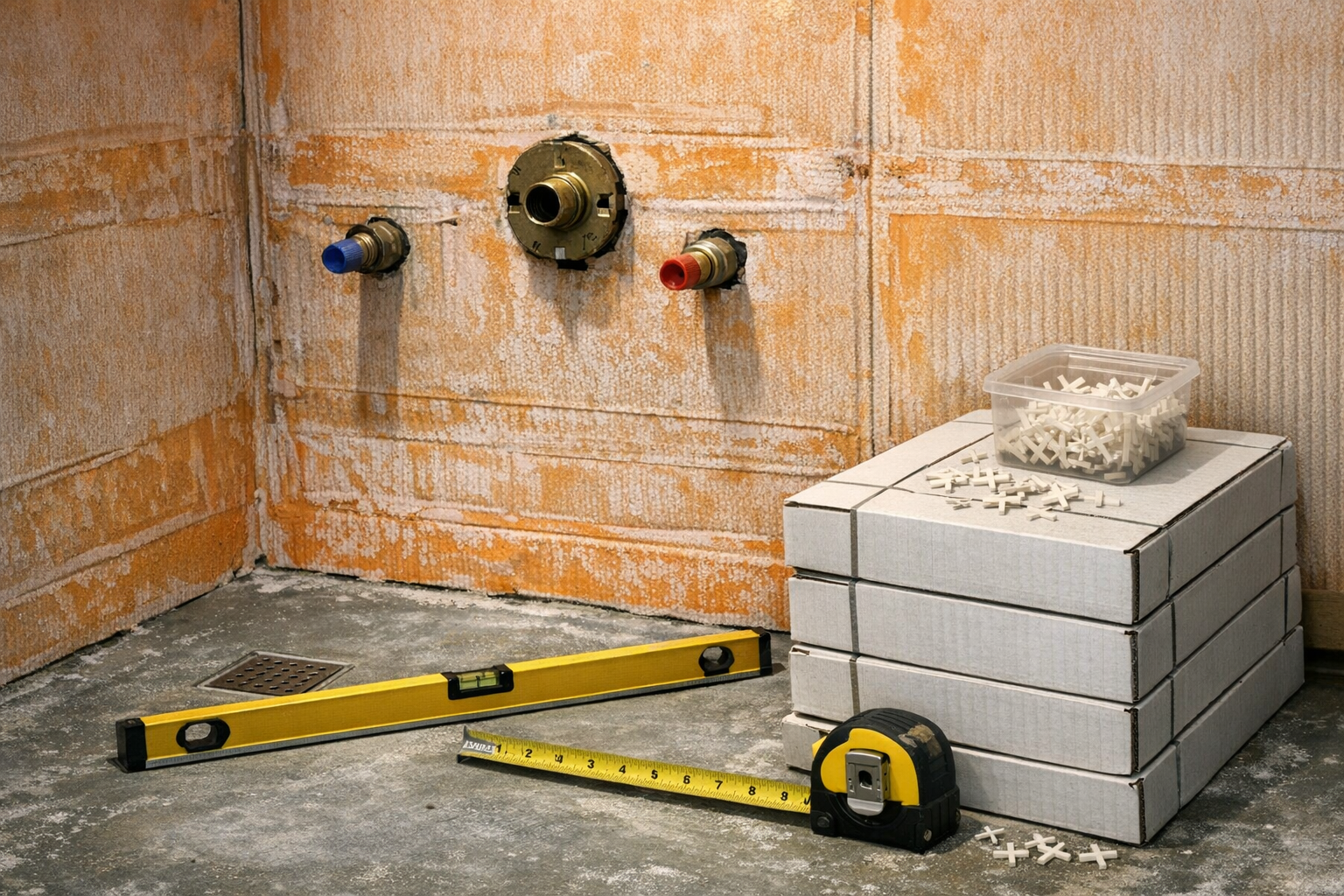
Moving a shower drain, shifting a toilet, or relocating a vanity is one of the fastest ways to raise the price because it stacks multiple trades: demolition, plumbing rework, potential framing/subfloor work, and patching—all before new finishes go in.
- Layout changes typically increase costs because relocating drains, supply lines, or electrical requires more labor and may trigger additional code updates.
- Relocating lighting or adding outlets can require GFCI/AFCI considerations depending on scope and panel conditions.
2) Tile scope and installation complexity
Tile is one of the most visible investments—and one of the most variable. A simple, large-format tile installed in a straightforward pattern is usually more efficient than small mosaic with multiple niches, borders, and diagonal layouts.
Material cost matters, but labor is often the bigger swing. In other words, a moderately priced tile can still become an expensive line item if the layout requires a lot of cuts and detailing.
- Tile choices can swing the budget significantly, since intricate patterns, smaller tiles, and full-height shower walls increase installation time and materials.
- Grout type (sanded vs. unsanded vs. epoxy) affects both cost and maintenance expectations.
3) Waterproofing (where “cheap” gets expensive)
In North Texas, humidity, daily use, and shifting homes can punish shortcuts. A properly built shower includes a cohesive waterproofing strategy: correct slope to the drain, sealed penetrations, and water management at corners and transitions.
- Waterproofing quality matters for long-term performance, and professional systems (membranes, proper slope, sealed penetrations) are a key investment in shower remodeling.
- Benches and niches are common leak points when they’re not integrated correctly into the waterproofing system.
4) Permits, inspections, and unknowns behind walls
Many remodels uncover issues during demolition: soft subfloor, old water damage, out-of-plumb studs, or insufficient ventilation that caused moisture problems over time. Those aren’t “nice-to-haves”—they’re must-fix items to protect your new finishes.
- Permit requirements, inspection timelines, and the condition of the existing subfloor or framing can add scope when hidden issues are discovered during demolition.
- If you’re unsure what applies to your project, read Do I need a permit for a bathroom remodel in Texas?
Budget priority that pays off
If you’re choosing where to “splurge,” prioritize the shower system and waterproofing. A bathroom can look stunning on day one, but the performance behind the tile determines whether it still looks stunning in year five.
Cost breakdown by service: showers, tubs, tile, and more
If you’re pricing a remodel, it helps to think in service blocks. This is especially true when you’re deciding between a full remodel versus upgrading just the wet area.
Walk-in shower remodeling
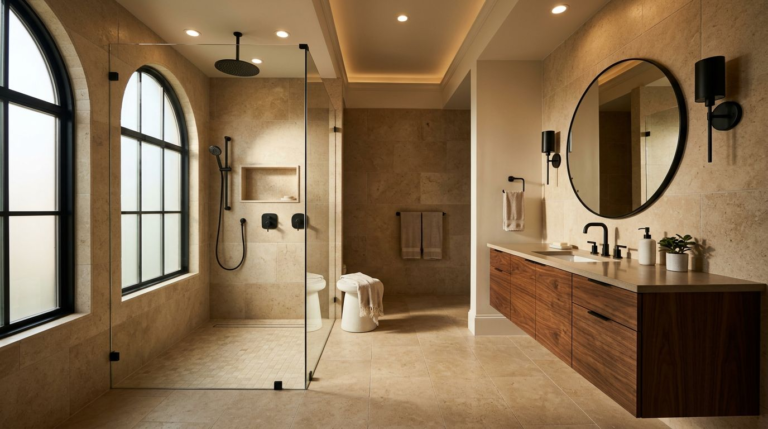
Walk-in showers range from efficient “replace what’s there” updates to fully custom tile builds with premium glass and multiple shower functions. The largest cost drivers are waterproofing details, tile labor, and the glass enclosure.
- Walk-in shower remodeling costs are driven by waterproofing, tile coverage, drain type (center vs linear), and whether you add features like a bench, niche, or handheld sprayer.
- A frameless enclosure typically costs more than semi-frameless due to thicker glass, hardware, and precise measurement requirements.
If you’re comparing systems and want to understand why pricing varies, you may also like: Top brands for best walk in shower systems.
Tub-to-shower conversion
This is one of the most popular upgrades in Argyle because it modernizes the room, improves accessibility, and can reduce maintenance compared to a tub surround. Conversions often keep the existing alcove footprint, which helps contain costs.
- Tub-to-shower conversions often focus budget on removing the tub, preparing the alcove, upgrading plumbing valves, and installing a durable shower base plus wall surround or tile.
- Adding a niche, bench, or upgraded shower valve package impacts both labor and rough-in requirements.
Tip: If you convert a tub to a shower, confirm how the project handles floor transitions, waterproofing at the base, and ventilation. A beautiful shower in a poorly ventilated bathroom can still lead to moisture problems over time.
Bathtub replacement
Bathtub replacement can be straightforward when it’s a like-for-like alcove tub with a matching surround. It gets more complex when you want a different size/style, change plumbing locations, or move to a freestanding tub (which often requires more floor work and plumbing changes).
- Bathtub replacement pricing depends on the tub style (standard alcove vs freestanding), access constraints, and whether surrounding tile or wall panels must be replaced to match.
- Some tubs require additional reinforcement or subfloor prep to support weight—especially with deeper soaking tubs.
For inspiration and practical considerations, see modern bathtubs and toilets.
Bathroom tile installation (floors and walls)
Tile is typically priced based on square footage plus the complexity of prep work and layout. A flat, stable substrate is essential; tile over a problem floor is a recipe for cracks and grout failure.
- Bathroom tile installation costs change with tile size, pattern complexity, grout type, and whether you tile just the shower or extend tile across floors and full walls.
- Heated floors, curbless entries, and linear drains usually require extra prep and waterproofing steps.
Want the “lowest-cost” approach without regret? The cheapest path is often keeping the layout and choosing durable finishes that install efficiently. This related read breaks down smart compromises: what is the cheapest way to remodel a bathroom?
Vanities & countertops: what to expect in pricing
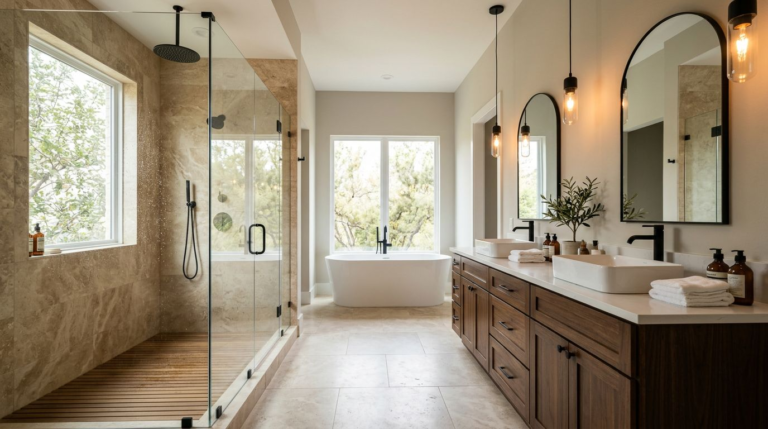
Vanities and countertops are the “command center” of the bathroom: daily-use storage, grooming space, and one of the first things people notice. Pricing depends on size, construction quality, countertop material, and the number of plumbing/fixture upgrades included.
Vanity cost drivers
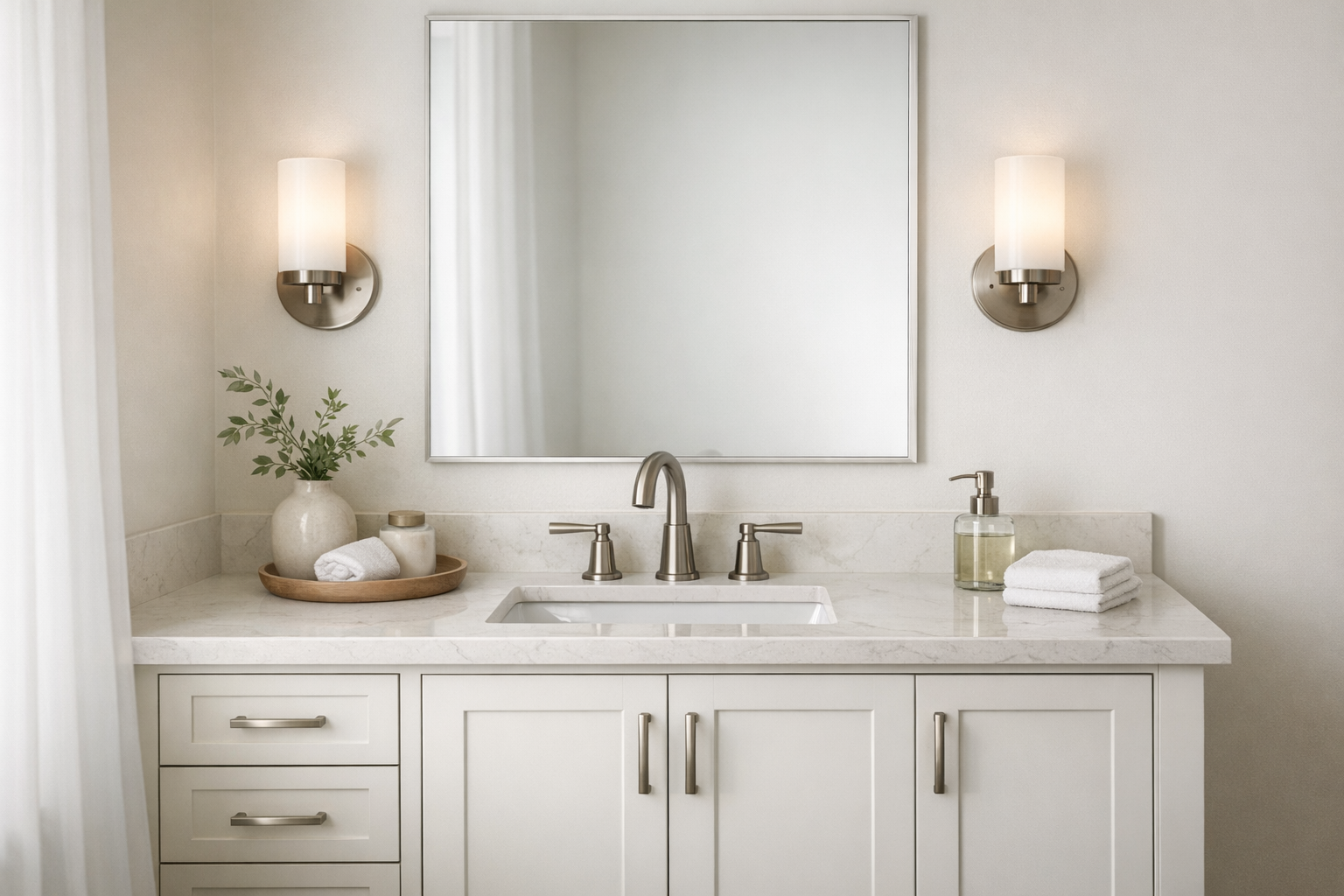
Vanity pricing typically shifts based on whether you choose stock, semi-custom, or custom cabinetry—and how much storage engineering you want (deep drawers, roll-outs, integrated outlets, etc.). In many Argyle homes, upgrading to a larger vanity is a popular move, but it needs to be balanced with clear walking space and door swings.
- Bathroom vanities vary in cost based on width, storage features, construction quality, and whether the project uses a stock, semi-custom, or custom vanity.
- Proper installation includes leveling, secure anchoring, and moisture-safe sealing to protect cabinetry and walls in a high-humidity bathroom environment.
If you’re prioritizing organization, this guide offers great ideas: beautiful bathroom vanities with storage.
Countertop cost drivers
Countertop cost isn’t just the slab. Fabrication details (edge profile), backsplash height, and cutouts can add up quickly—especially for double sinks or custom shapes.
- Countertop pricing depends on material (quartz, granite, solid surface), edge profiles, backsplash details, and the number of sink cutouts.
- Upgrading faucets, sinks, and plumbing connections can be a meaningful portion of the vanity line item, especially when moving from builder-grade to premium finishes.
Value move
A mid-range vanity paired with a durable countertop (often quartz) can deliver a “high-end” feel without the maintenance and variability of more delicate materials—especially when the lighting and hardware are upgraded at the same time.
Ways to control costs without cutting corners
There’s a difference between saving money and creating future problems. The goal is to reduce unnecessary labor and decision churn while keeping the quality-critical components (like waterproofing and substrate prep) intact.
Keep the layout when you can
Keeping your plumbing locations reduces rough-in work and lowers the chance you’ll uncover a chain reaction of repairs. It also helps keep your schedule tighter.
- Keeping the existing layout usually saves money because it reduces plumbing and electrical relocation while still allowing major visual upgrades through finishes and fixtures.
- Instead of moving the vanity, you might refresh the countertop, replace the faucet, and upgrade lighting for a dramatic change.
Choose a focused upgrade for maximum impact
If your bathroom is usable but dated, consider upgrading the wet area first. A shower remodel often gives you the biggest daily improvement per dollar because it’s the most “experiential” part of the room.
- Choosing a focused upgrade—such as a shower remodel or tub-to-shower conversion—can deliver a big impact when a full bathroom remodel is not necessary.
- If accessibility is part of the plan, you’ll find practical design ideas in accessible and aging-in-place bathrooms.
Spend strategically on performance materials
Some categories should be selected for performance first, aesthetics second. Waterproofing components, grout, and ventilation are examples. It’s fine to choose a mid-range tile; it’s not fine to compromise on what keeps water out of your walls.
- Selecting durable, mid-range materials can balance style and longevity, especially for tile, grout, and waterproofing where performance matters most.
- Ask about what’s under the tile: backer board/substrate, membrane type, and how corners/penetrations are sealed.
Lock decisions early to prevent change orders
Late changes can be costly because they disrupt sequencing. For example, switching to a different shower valve after tile is selected can require rework and delay. In many projects, avoiding change orders can save hundreds to thousands simply by keeping the work moving.
- Planning decisions early helps avoid change orders, because last-minute shifts in tile, fixtures, or vanity sizing can increase labor and delay the schedule.
- Confirm lead times on tile, glass, and specialty fixtures before demolition begins.
For more tactical ways to keep a budget under control, see how can I reduce bathroom remodeling costs?
What’s typically included in a professional bathroom remodel scope
One of the best ways to compare quotes is to compare scope. If one proposal is thousands less, make sure it’s not skipping steps that protect your home—especially in the shower.
Demolition and prep work
A quality remodel generally includes demolition, careful disposal, and the prep that makes finishes last: correcting framing where needed, addressing subfloor issues, and setting a stable base for tile and cabinetry.
- A quality remodel generally includes demolition, surface preparation, and proper substrate work so tile, flooring, and fixtures have a stable, long-lasting foundation.
- Expect time allocated for “make it right” work: flattening walls, leveling floors, and repairing any damage revealed during demo.
Complete shower waterproofing and drainage
The shower is a system. A professional scope should spell out what waterproofing is used, how the pan/base is handled, and how transitions are sealed. If you’re comparing shower proposals, pay attention to those details more than the tile itself.
- Shower remodeling should include a complete waterproofing system, correct shower slope, and careful sealing at transitions to prevent leaks and moisture damage.
- Bench/niche details should be fully waterproofed, not just caulked.
Ventilation, lighting, and finish carpentry
Better airflow protects everything you just paid for. Lighting affects how tile, paint, and countertops read in real life. Finish carpentry (trim, base, transitions) is where a remodel looks “finished” instead of “almost done.”
- Finishing details like ventilation, lighting upgrades, and trim work improve comfort and help protect the bathroom from humidity-related issues over time.
- Consider lighting layers: vanity task lighting plus ambient overhead lighting for a balanced look.
Cleanup, punch list, and walkthrough
The end of the project matters. A professional scope includes cleanup, surface protection, and a final walkthrough to ensure fixtures operate properly, doors/drawers align, and caulk/grout lines look clean.
- Cleanup and final walkthroughs are important parts of the process, ensuring fixtures operate correctly, grout and caulk lines are finished cleanly, and surfaces are protected.
How to compare estimates: Ask each contractor to confirm exactly what’s included for waterproofing, glass, plumbing valve, and substrate prep. Those categories often explain why one quote is lower—and whether it’s lower for a good reason.
Conclusion: plan the right scope, then pick finishes that fit your budget
Bathroom remodeling in Argyle, TX isn’t one single price—it’s a range determined by scope, complexity, and the quality of behind-the-wall work. If you want the best long-term value:
- Decide whether you need a full remodel or a targeted wet-area upgrade. Many homeowners get the biggest satisfaction from a shower remodel or tub-to-shower conversion.
- Control cost by keeping the layout unless there’s a functional reason to move plumbing/electrical.
- Prioritize waterproofing and substrate prep so your investment performs for years, not months.
- Finalize selections early to avoid delays and change orders.
If you’re still deciding whether remodeling makes sense financially, this article offers a helpful perspective: is a bathroom remodel worth the money? And if you want to explore design options before you commit, browse bathroom design & remodeling tips or see what’s possible with custom bathroom remodeling from Argyle to Lewisville.
Get a bathroom remodeling quote in Argyle, TX
Ready to plan your shower remodel, tub-to-shower conversion, or full bathroom remodeling project? Contact JBN Bathroom remodeling to discuss your goals and get pricing for your space.
Quick FAQs (Argyle, TX)
Is a tub-to-shower conversion cheaper than a full bathroom remodel?
Usually, yes. Conversions often keep the existing layout and focus spending on the wet area—demo, waterproofing, plumbing valve, and the surround/tile plus glass—rather than redoing every surface in the room.
What makes a walk-in shower more expensive?
Custom tile coverage, niche/bench features, premium waterproofing details, drain choices (including linear drains), and frameless glass typically raise cost. Complexity of tile layout can also increase labor significantly.
What’s the smartest way to save money without sacrificing quality?
Keep the layout when possible, choose durable mid-range finishes, and lock selections early. Avoid cutting corners on waterproofing, substrate prep, and ventilation—those are the components that protect your investment.